



Roof Moss and Algae: Should You Be Concerned About Your Roof?
If you’ve noticed dark streaks or green patches forming on your shingles, you’re not alone. Roof moss and algae are common issues for homeowners, especially in areas with humidity, shade, or frequent rainfall. While many people assume these growths are purely cosmetic, the reality is more complex.
So, should you be concerned about roof moss and algae? In many cases, yes. What starts as a minor visual issue can turn into something that affects the performance and lifespan of your roof if left unaddressed. Understanding what you’re seeing—and what it means—is key to protecting your home.
If you’re already noticing signs of roof moss and algae on your home, a professional inspection can help determine whether it’s just cosmetic or something more serious.
What Is Roof Moss and Algae?
Roof moss and algae are natural organisms that grow on roofing materials when the conditions are right, but they behave very differently.
Moss is a thick, plant-like growth that appears in green, fuzzy patches. It thrives in damp environments and holds moisture directly against your roof. Over time, that moisture can interfere with how your roof sheds water.
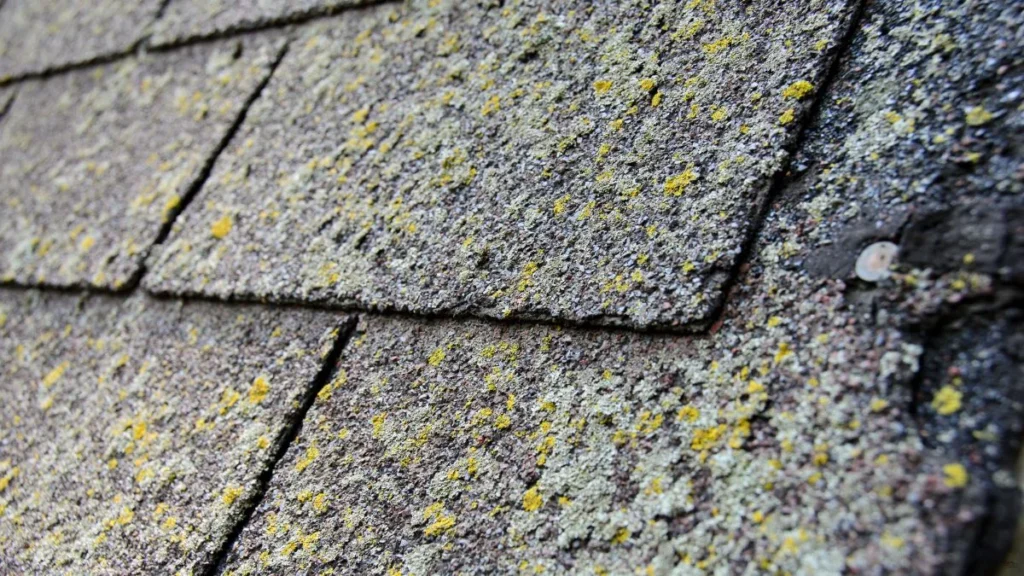
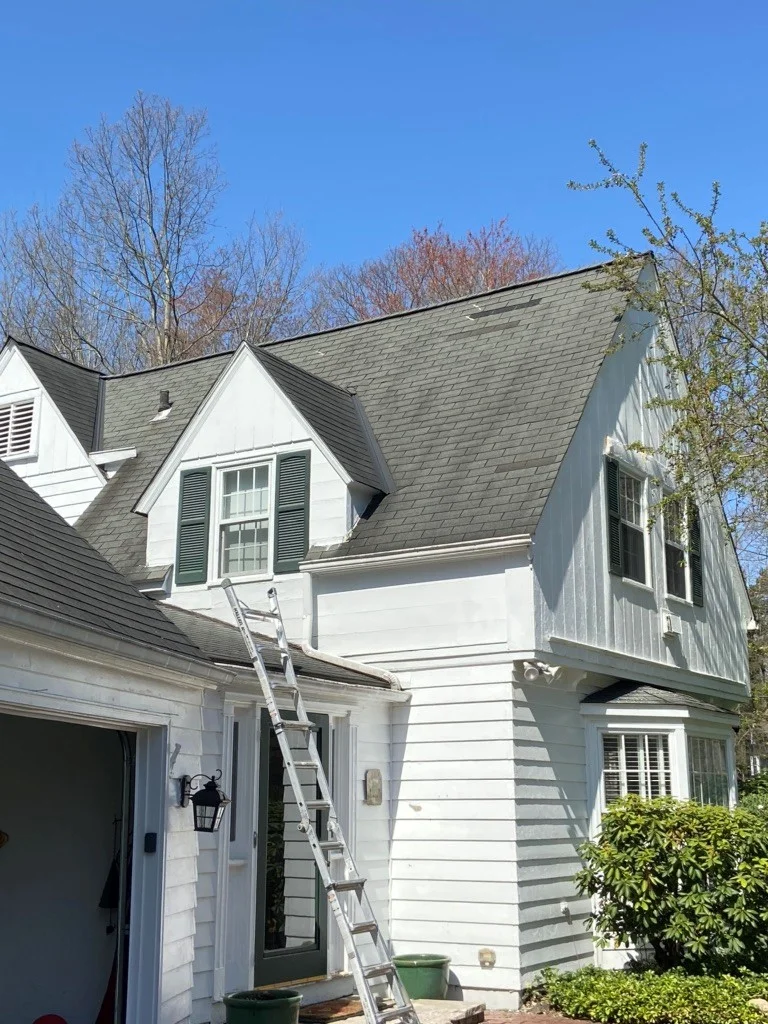
Algae, on the other hand, typically shows up as dark streaks running down your roof. It’s caused by airborne bacteria that feed on materials found in asphalt shingles. While it may look concerning, it often starts as a cosmetic issue.
You may also encounter lichen, which is a combination of algae and fungus. It tends to attach more firmly to your roof and can be more difficult to deal with once it develops.
These growths are most common in areas of your roof that:
- Receive limited sunlight
- Stay damp for extended periods
- Are surrounded by trees or debris
If you’re already seeing these signs, it’s a good idea to pay attention to whether the issue is spreading or staying contained.
What Causes Roof Moss and Algae Growth?
Roof moss and algae don’t appear randomly—they develop when the right conditions come together over time.
The most common causes include:
- Moisture and humidity – Damp conditions allow moss and algae to thrive
- Lack of sunlight – Shaded areas dry more slowly after rain
- Tree coverage and debris – Leaves and branches trap moisture on your roof
- Roofing materials – Asphalt shingles are more prone to algae growth
- Poor ventilation or drainage – Prevents your roof from drying efficiently
When several of these factors are present, your roof becomes much more vulnerable to growth.
Is Roof Moss and Algae Just Cosmetic or a Real Problem?
This is one of the most common questions homeowners have—and the answer depends on what you’re dealing with.
Algae is usually cosmetic in the early stages. It creates dark streaks that can affect your home’s appearance, but it doesn’t immediately damage your roof. However, over time, it can contribute to gradual wear.
Moss is a different story. Because it holds moisture, it can actively interfere with your roof’s ability to function properly. That’s when a small issue can begin turning into something more serious.
The key distinction is simple:
- Algae often starts as a cosmetic concern
- Moss has the potential to cause structural damage
Ignoring either one can allow the problem to worsen over time.

How Roof Moss and Algae Can Damage Your Roof
Moisture Retention and Shingle Damage
Moss acts like a sponge, trapping water against your shingles for extended periods. This constant exposure to moisture accelerates the breakdown of roofing materials.
Over time, this can cause shingles to warp, weaken, or deteriorate. In more advanced cases, moss can grow between shingles and begin lifting them, creating openings for water to seep underneath.
Granule Loss and Reduced Protection
Algae feeds on components within asphalt shingles, which can gradually weaken them. As shingles degrade, they lose the protective granules that shield your roof from UV rays and harsh weather.
Without those granules, your roof becomes more vulnerable to damage and aging.
Increased Risk of Leaks
When moss lifts shingles or moisture gets trapped beneath them, it increases the risk of water intrusion. Even small gaps can allow water to enter your roofing system.
This can eventually lead to leaks, interior water damage, and even mold growth inside your home if left unaddressed.
If you suspect that moss or algae has been sitting on your roof for a while, having it inspected early can help prevent more costly repairs later.
Shortened Roof Lifespan
One of the most significant impacts of roof moss and algae is a reduced lifespan for your roof. Constant exposure to moisture and biological growth accelerates wear and tear.
What might have been a 20–30-year roof could need replacement much sooner if these issues are ignored.
Warning Signs of Roof Moss and Algae Problems
Not all growth requires immediate action, but there are clear signs that indicate it may be becoming a problem.
- Dark streaks or discoloration on shingles
- Green, thick, or fuzzy patches
- Areas that stay damp longer than others
- Debris buildup, like leaves or branches
- Shingles that appear lifted, curled, or uneven
If you notice any of these warning signs, especially if they’re spreading, it’s a good idea to have your roof evaluated.
How to Safely Address Roof Moss and Algae
It can be tempting to try to remove moss or algae yourself, but that approach can do more harm than good.
Walking on a roof—especially one covered in moss—can be dangerous due to slippery conditions. In addition, using improper methods like high-pressure washing can damage shingles and strip away their protective layers.
Instead of focusing on removal alone, the most important step is understanding the condition of your roof.
A professional inspection can help:
- Determine whether the issue is cosmetic or structural
- Identify any underlying damage
- Recommend the right next steps based on your roof’s condition
This ensures you’re addressing the problem the right way without causing additional damage.
How to Prevent Roof Moss and Algae Growth
While you can’t completely eliminate the risk, there are practical steps you can take to reduce the likelihood of moss and algae forming on your roof.
- Trim overhanging branches to increase sunlight exposure
- Keep gutters clear to allow proper drainage
- Remove leaves and debris regularly
- Ensure your attic has proper ventilation
- Consider algae-resistant materials during future roof replacement
Simple maintenance steps like these can go a long way in protecting your roof over time.
When Should You Call a Roofing Professional?
Not every case of roof moss and algae requires immediate repairs, but there are times when it’s important to bring in a professional.
You should consider scheduling an inspection if:
- Moss is thick or covering large areas
- Growth is spreading quickly
- Shingles appear damaged or lifted
- You notice signs of leaks
- Your roof is older or nearing the end of its lifespan
A professional can assess the situation and help you determine whether repairs or replacement are necessary.
Protect Your Roof Before Small Problems Become Expensive Repairs
Roof moss and algae might seem minor at first, but they rarely stay that way. What begins as a small patch or a few streaks can gradually lead to bigger issues if ignored.
The good news is that early action makes a big difference. By addressing problems early and staying proactive with maintenance, you can extend the life of your roof and avoid costly repairs down the road.
Need Help With Roof Moss and Algae? Spartan StormShield Has You Covered
If you’re noticing signs of roof moss and algae and aren’t sure what it means for your home, Spartan StormShield is here to help.
We provide professional roof inspections, honest assessments, and expert repairs or full replacements when needed. Our goal is to make sure your roof is protecting your home the way it should.
If you have concerns about your roof, contact Spartan StormShield today to schedule an inspection and get the clarity you need before small issues turn into major problems.
Frequently Asked Questions About Roof Moss and Algae
Q: Is roof moss and algae harmful to my roof?
Roof moss and algae can be harmful, depending on the severity. Algae is often cosmetic at first, but moss can trap moisture against your shingles, which may lead to damage over time. If left untreated, both can contribute to a shorter roof lifespan.
Q: Can roof moss cause leaks?
Yes, moss can increase the risk of leaks. As it grows, it can lift shingles and allow water to seep underneath, which may eventually lead to water damage inside your home.
Q: Is it safe to remove roof moss and algae yourself?
It’s generally not recommended. Walking on a roof can be dangerous, especially when moss is present. Using the wrong cleaning methods can also damage shingles. A professional inspection is the safest way to determine the right next step.
Q: How fast does roof moss spread?
Moss can spread relatively quickly in the right conditions, especially in shaded and damp areas. Once it starts growing, it tends to retain moisture, which allows it to expand over time.
Q: Will roof moss and algae go away on their own?
No, roof moss and algae typically do not go away without intervention. In fact, they often continue to grow and spread if the conditions remain favorable.
Q: How can I prevent roof moss and algae from coming back?
You can reduce the risk by trimming overhanging branches, keeping your roof and gutters clear of debris, and improving ventilation. During a roof replacement, algae-resistant materials may also help limit future growth.
Q: When should I have my roof inspected for moss or algae?
You should consider an inspection if you notice visible growth, spreading patches, or any signs of shingle damage. It’s also a good idea if your roof is older or hasn’t been inspected in several years.