



As more homeowners explore solar energy, many are also evaluating whether their existing roof is equipped to support a long-term solar installation. Metal roofing has become an increasingly common consideration because of its durability, longevity, and compatibility with modern mounting systems, but not every roof or installation approach is the same.
At Spartan StormShield, we approach roofing and solar as interconnected parts of a long-term home protection and performance strategy. Our experience serving homeowners across the greater Cleveland area means that we understand the demands Northeast Ohio weather places on roofing systems, as well as the importance of proper planning before integrating solar technology into an existing or replacement roof.
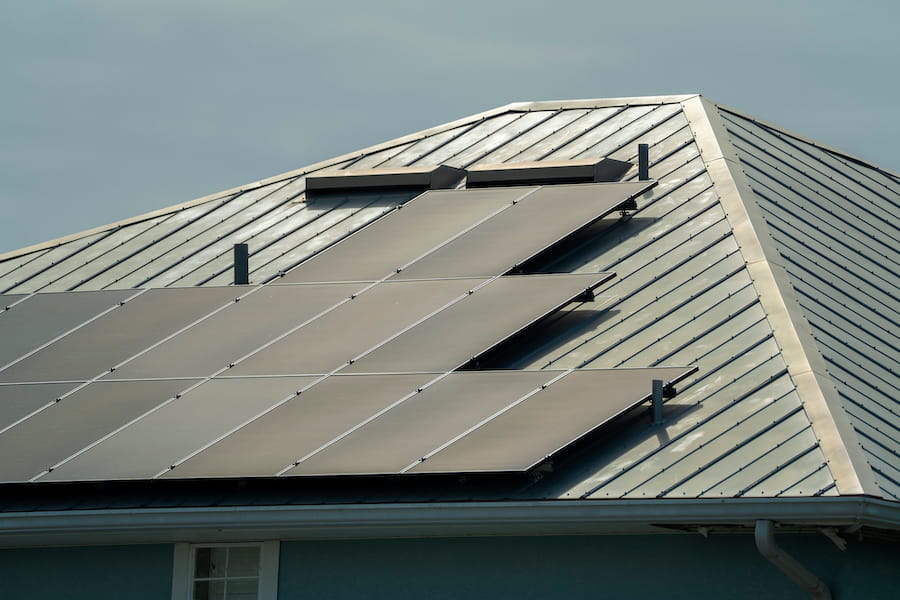
This guide outlines the key factors homeowners should understand when considering solar panels on a metal roof, including roof types, installation methods, structural considerations, and long-term performance expectations.
If you are considering solar roofing or a metal roof upgrade, choose a team you can trust. Connect with us today at 330-772-7826 or contact us online to schedule an inspection.
What Makes Metal Roofing a Strong Foundation for Solar?
Metal roofing offers several practical advantages that make it especially well-suited for homeowners considering a long-term solar investment. Its durability, extended lifespan, and compatibility with modern mounting systems can help support both the structural and performance needs of a solar-ready roof.
Long-Term Durability
One of the biggest advantages of metal roofing is its lifespan. Compared to many traditional roofing materials, metal roofs are designed to withstand decades of exposure to weather, temperature fluctuations, and storm conditions. This long service life often aligns well with the expected lifespan of a solar panel system.
Solar Mounting Compatibility
Many metal roof systems are compatible with modern solar mounting methods. In particular, standing seam metal roofs are often considered highly solar-friendly because certain mounting systems can clamp directly to the raised seams without penetrating the roof panels.
Other metal roof profiles may still support solar panels, although they often require different attachment methods and additional waterproofing considerations.
Energy-Efficient Roofing Options
Some metal roofing products are manufactured with reflective finishes designed to reduce heat absorption. While reflective roofing does not replace solar energy production, it can contribute to a broader energy-efficiency strategy when combined with solar panels.
Which Metal Roofs Work Best for Solar Panels?
The method used to install solar panels depends heavily on the type, profile, and structural design of the existing metal roof, as different roofing systems require different mounting and waterproofing approaches.
Standing Seam Metal Roofs
Standing seam metal roofs are often one of the most effective roofing systems for solar integration. Their raised vertical seams allow specialized clamps to attach directly to the roof without drilling through the flat panel surface.
This can reduce roof penetrations and help preserve the integrity of the roofing system when installed correctly.
Corrugated Metal Roofs
Corrugated metal roofs can also support solar panels in many situations. However, these systems typically require fasteners that penetrate the roof surface and anchor into the roof structure below. Because penetrations are involved, proper flashing and waterproofing become especially important.
Exposed Fastener Metal Roofs
Exposed fastener metal roofs are common on certain homes, garages, barns, and agricultural structures. Solar installation may still be possible, but the roof condition, fasteners, structural support, and waterproofing details should be carefully evaluated before installation begins.
How Solar Panels Are Installed on Metal Roofs
The installation method is determined by both the roof profile and the solar mounting system selected, as different metal roofing systems require different attachment and waterproofing approaches.
Clamp-Based Mounting Systems
Clamp-based systems are commonly used on standing seam roofs. These systems attach directly to the seams rather than drilling through the roof panels, which can help minimize penetrations when compatible with the roof profile.
Rail-Based Mounting Systems
Some solar systems use rails secured to roof-mounted brackets. Solar panels are then attached to the rails. These systems are often used on corrugated or exposed fastener metal roofs where additional mounting flexibility is needed.
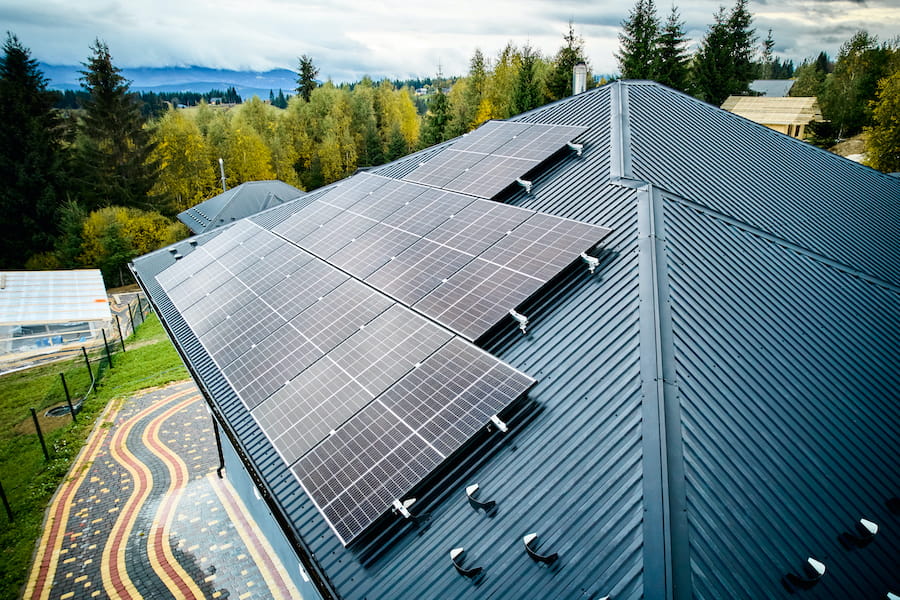
Rail-Less Systems
Certain solar systems use rail-less mounting hardware designed to reduce material on the roof surface. These systems still require proper engineering, waterproofing, and code compliance to ensure long-term performance.
Can Solar Panels Damage a Metal Roof?
When properly installed on a roof that is in good condition, solar panels should not damage a metal roofing system. In many cases, issues arise not from the solar panels themselves, but from poor installation practices, improper mounting methods, or pre-existing roofing problems.
The risk of damage increases when:
- The roof already requires repairs or replacement
- Incorrect mounting systems or fasteners are used
- Roof penetrations are not properly sealed
- Incompatible materials create corrosion concerns
- Structural loads are not evaluated correctly
Because of these factors, a professional roof inspection should always be completed before solar installation begins. Evaluating the roof’s condition, structural integrity, and compatibility with the planned mounting system can help reduce the risk of leaks, premature wear, and future repair costs.
What Homeowners Should Consider Before Installing Solar
Before adding solar panels to a metal roof, homeowners should evaluate several important factors.
Roof Age and Condition
If the roof is already near the end of its service life, replacement may be the better long-term option before installing solar panels.
Structural Integrity
The roof framing and decking must be capable of supporting the additional weight and wind loads associated with a solar system.
Local Weather Conditions
Homes in areas prone to hail, high winds, snow, or severe storms should use roofing and solar systems designed for those conditions.
Contractor Coordination
Roofing and solar contractors should coordinate installation plans to help ensure proper waterproofing, mounting compatibility, and long-term roof performance.
Solar Roofing as an Alternative to Traditional Panels
Traditional solar panels are not the only option for homeowners exploring solar energy. Solar roofing systems, including solar shingles, integrate energy-producing technology directly into the roof rather than mounting panels above it.
For homeowners already planning a roof replacement, solar roofing can offer a more streamlined appearance while combining weather protection and energy production into a single system.
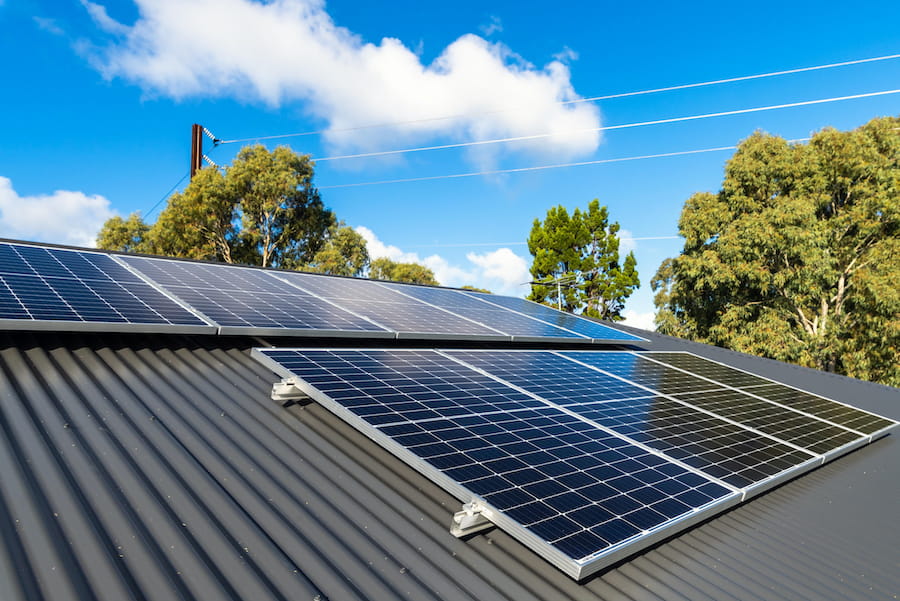
At Spartan StormShield, we specialize in metal roofing and solar roofing systems designed for long-term durability, weather resistance, and energy performance. Our team helps homeowners evaluate whether a solar-integrated roofing system is the right fit for their home and long-term goals.
How Spartan StormShield Approaches Solar-Ready Roofing
At Spartan StormShield, we view the roof as a complete system—not just the visible roofing materials. That includes the roof deck, underlayment, flashing, ventilation, drainage systems, fasteners, and overall long-term roof performance.
Our team helps homeowners throughout Northeast Ohio evaluate:
- Roof condition and expected lifespan
- Storm resistance and durability
- Waterproofing details
- Long-term maintenance considerations
- Solar-ready metal roofing and solar roofing systems
By addressing these factors before installation begins, homeowners can make more informed decisions about long-term roofing performance and future energy upgrades.
Ready to Explore Solar-Compatible Metal Roofing?
If you are considering solar energy for your home, the condition and design of your roof should be evaluated before installation begins. A professional roof inspection can help identify whether your current roofing system is structurally prepared for future solar integration or whether a metal roof upgrade may provide a more durable, long-term solution.
At Spartan StormShield, we help homeowners throughout Northeast Ohio evaluate roofing systems built for longevity, weather resistance, and future energy upgrades. From metal roofing to solar roofing systems, our team focuses on solutions designed to support long-term home performance.
Call our team at 330-772-7826 or contact us online to schedule a professional roof inspection and learn more about solar-compatible roofing options.
Frequently Asked Questions:
Q: Can you install solar panels on any metal roof?
Solar panels can be installed on many metal roofs, but not every roof is automatically a good candidate. The roof profile, condition, structure, and mounting method all matter.
Q: What is the best metal roof for solar panels?
Standing seam metal roofs are often a strong option because some mounting systems can clamp to the seams without penetrating the roof panels.
Q: Will solar panels cause leaks in a metal roof?
Solar panels should not cause leaks when the roof is in good condition and the mounting system is installed correctly. Leaks are more likely when penetrations are poorly sealed or the roof already has problems.
Q: How long do solar panels last on a metal roof?
The DOE states that solar panels commonly last about 25 to 30 years. Metal roof lifespan varies by material, installation, maintenance, and climate, but many metal roofs can last long enough to support a solar system’s service life.
Q: Should I replace my roof before installing solar?
If your roof may need replacement within the next few years, the DOE recommends considering that work before installing solar. This can help avoid future panel removal and reinstallation costs.
Q: Do solar panels work better on metal roofs?
Solar panel production depends on sunlight, orientation, shading, system design, and equipment. Metal roofs do not automatically make panels produce more electricity, but they can provide a durable and compatible surface for installation.
Q: Can solar panels void my metal roof warranty?
It depends on the warranty terms and installation method. Homeowners should review warranty documents and confirm whether the proposed mounting system is approved before installation.