



A roof leak rarely starts as an emergency. More often, it begins with a faint ceiling stain, a damp spot in the attic, or a small drip during a heavy rainstorm. Because the signs can seem minor at first, many homeowners assume they have time to deal with the issue later.
Unfortunately, roof leaks tend to follow a different timeline.
Water can travel through roofing materials, insulation, framing, and drywall long before visible damage appears inside the home. By the time a leak becomes obvious, moisture may have already caused damage well beyond the original point of entry.

The good news is that acting quickly can often prevent more extensive and expensive repairs. This guide explains how to identify a roof leak, what steps homeowners can take immediately, and when it’s time to bring in a professional roofing contractor.
Since 2012, Spartan StormShield has helped homeowners protect their homes with comprehensive roof inspections, roof repairs, and roof replacement services. If you suspect your roof is leaking, our team can help identify the source of the problem and recommend the right solution before additional damage occurs.
Take the first step and protect your home today. Call us at 330-772-7826 or contact us online to schedule a free consultation.
Why Roof Leaks Should Never Be Ignored
One of the biggest misconceptions about roof leaks is that a small leak equals a small problem.
In reality, even minor water intrusion can create a chain reaction of damage throughout the home.
According to the U.S. Environmental Protection Agency (EPA), moisture problems that remain unresolved can contribute to mold growth in as little as 24 to 48 hours under the right conditions.
Left untreated, a roof leak can lead to:
- Damaged insulation
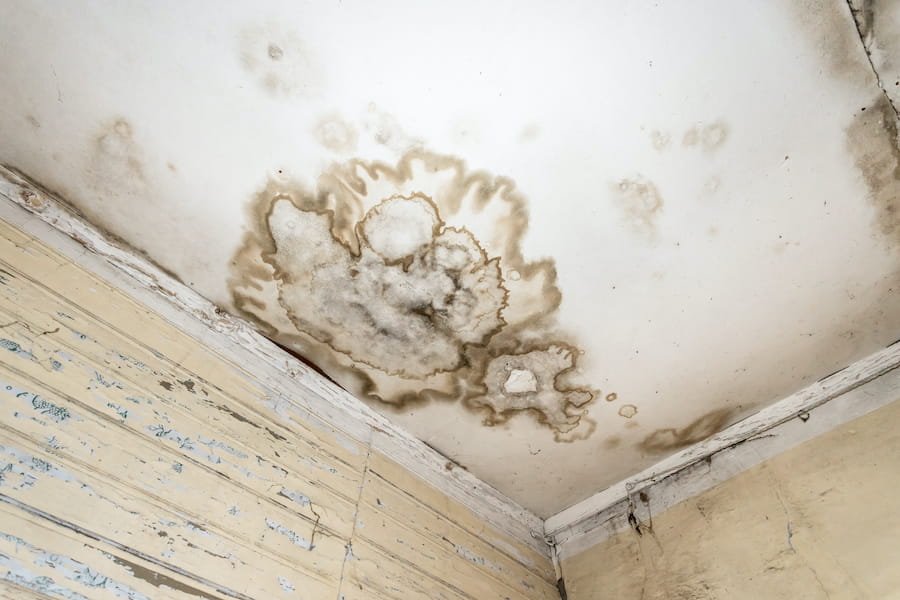
- Stained ceilings and walls
- Mold and mildew growth
- Wood rot in roof decking and framing
- Electrical hazards
- Structural deterioration
What might have been a straightforward roof repair can eventually become a much larger restoration project involving multiple areas of the home.
Common Signs of a Roof Leak
Not all roof leaks are obvious. In many cases, the first signs appear subtly inside the home long before any visible dripping occurs.
Being able to recognize early warning signs can help prevent more serious structural damage and reduce repair costs.
Watch for signs such as:
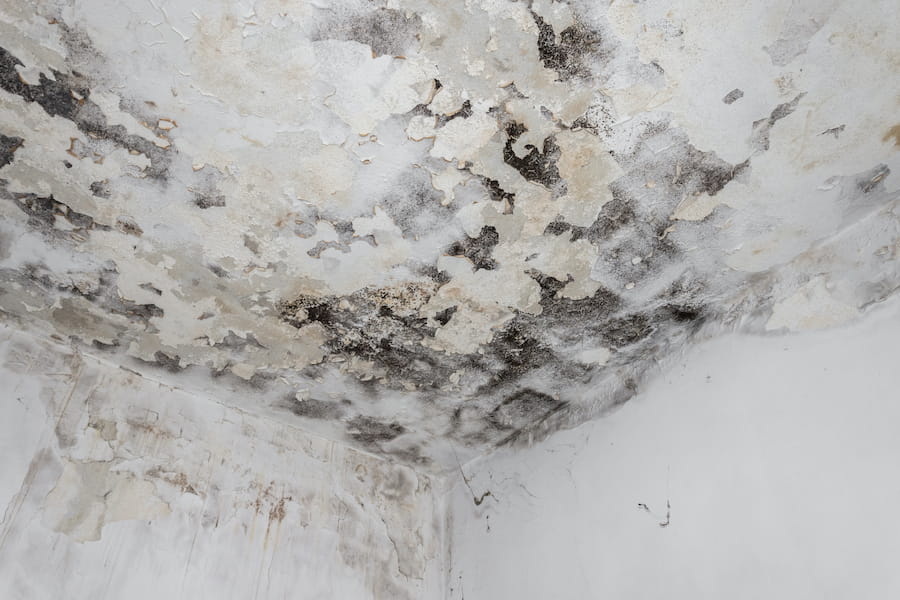
- Water stains or discoloration on ceilings and walls
- Bubbling, cracking, or peeling paint
- Damp or compressed attic insulation
- Persistent musty or damp odors indoors
- Mold or mildew growth near ceiling corners or upper walls
- Missing, curling, or damaged shingles on the roof
Addressing these indicators early is critical. The longer a roof leak goes untreated, the more likely it is to spread beyond the initial entry point and lead to more extensive and costly repairs.
How to Fix a Roof Leak
Step 1: Find the Likely Source of the Leak
Locating a roof leak is often more challenging than homeowners expect.
Water rarely travels in a straight line. Instead, it can move horizontally along rafters, roof decking, insulation, and framing before becoming visible inside the home. This means the interior damage is not always directly below the actual entry point.
Common Roof Leak Sources
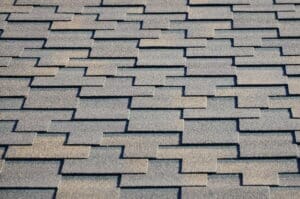
Damaged or Missing Shingles
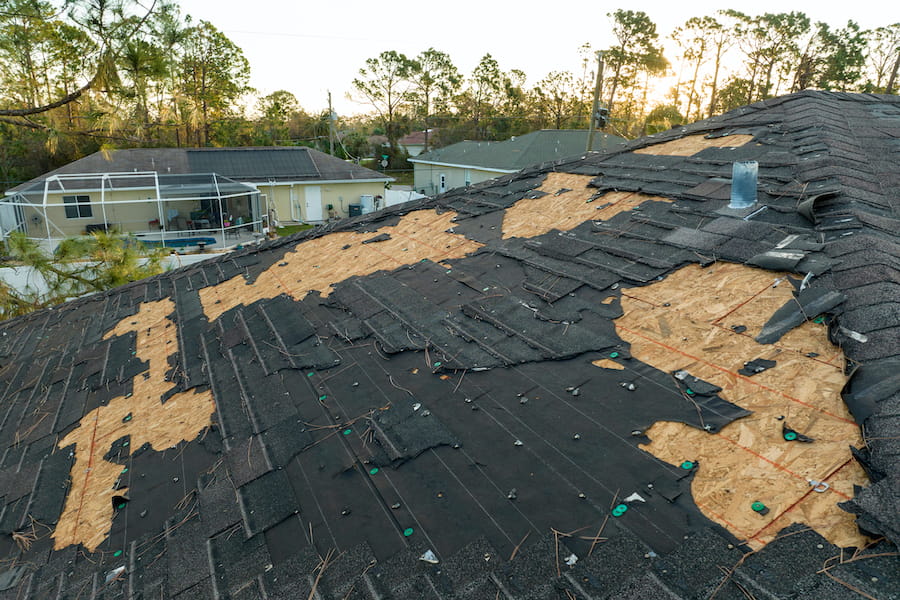
Wind, hail, aging materials, and storm damage can loosen, crack, or remove shingles, allowing water to penetrate beneath the roofing system.
Flashing Failures
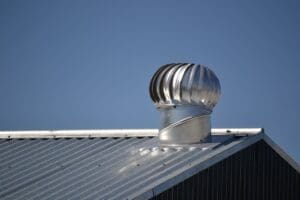
Flashing seals critical areas such as chimneys, skylights, roof vents, and wall intersections. When flashing is damaged, corroded, or improperly installed, it is one of the most common causes of roof leaks.
Plumbing Vent Boots
Rubber seals around plumbing vents naturally deteriorate over time, eventually creating openings where water can enter.
Skylights
Improper installation, failed seals, or aging components can lead to leaks around skylight edges and framing.
Roof Valleys
Roof valleys direct high volumes of water during rainfall. When damaged, they can quickly become a major source of leakage.
Step 2: Protect Your Home From Further Damage
If water is actively entering your home, the priority is limiting interior damage while you plan for repairs.
Consider taking the following steps:
- Place containers beneath active leaks
- Move furniture and valuables away from affected areas
- Protect flooring with towels or plastic sheeting
- Document visible damage with photos for insurance purposes
- Monitor the area during ongoing rainfall
These temporary actions can help reduce secondary damage while a permanent repair is arranged.
Step 3: Check the Attic for Signs of Water Intrusion
If it is safe to do so, inspect your attic during or shortly after rainfall.
What to Look For
- Water stains on roof decking
- Damp or compressed insulation
- Active dripping water
- Mold or mildew growth
- Daylight visible through roof gaps
The Insurance Institute for Business & Home Safety (IBHS) recommends monitoring attic conditions as part of a proactive maintenance approach, since early signs of roof failure often appear there before becoming visible inside the home.
Step 4: Apply Temporary Leak Repairs
Many homeowners look for quick ways to fix a leaky roof during a storm. While temporary solutions can help limit damage, they are not permanent fixes.
Temporary Repair Options
Roof Tarps
A properly secured tarp can help protect exposed areas and reduce additional water intrusion until repairs are completed.
Roofing Sealants
Sealants may temporarily address small cracks or minor flashing issues in limited situations.
Interior Water Control
Directing water into buckets or containers can help protect flooring and interior finishes while waiting for professional repair.
When DIY Repairs Aren’t Enough
Many roof leaks appear simple from the ground but have underlying causes that are difficult to diagnose without professional experience.
A leak may actually stem from:
- Hidden storm damage
- Deteriorated flashing
- Improper installation
- Ventilation problems
- Aging roofing materials
- Structural movement
Treating only the visible symptom often allows the real problem to continue worsening beneath the surface.
How to Prevent Future Roof Leaks
While no roof lasts forever, proactive maintenance can significantly reduce the likelihood of unexpected leaks.
Homeowners should:
- Schedule routine roof inspections
- Replace damaged shingles promptly
- Keep gutters clean and functioning properly
- Trim overhanging branches
- Monitor attic conditions
- Address storm damage quickly
The National Roofing Contractors Association (NRCA) recommends regular roof inspections as one of the most effective ways to identify developing problems before they become costly repairs.
Why Homeowners Trust Spartan StormShield
A roof leak is more than an inconvenience; it’s a warning sign that your home needs attention. In these moments, choosing the right roofing contractor can make the difference between a quick, effective repair and ongoing damage.
Since 2012, Spartan StormShield has helped homeowners identify the true source of roofing problems, prevent unnecessary damage, and restore long-term confidence in their roofing systems. Our approach focuses on accurate diagnostics, quality craftsmanship, and solutions built to last—not temporary fixes or guesswork.
Homeowners trust Spartan StormShield for:
- Thorough, professional roof inspections that identify the real cause of leaks
- Honest, straightforward recommendations based on your home’s condition
- Experienced roofing specialists focused on long-term performance
- High-quality workmanship using proven installation and repair practices
- Durable roofing solutions designed to protect your home for years to come
- Responsive, customer-first service from start to finish
When a roof leak happens, you need more than a patch—you need clarity, confidence, and a contractor you can rely on.
Get Ahead of Roof Leaks Before Repairs Escalate
A roof leak is almost never a problem that resolves on its own. In fact, the longer water intrusion continues, the more it spreads—often affecting insulation, roofing materials, structural framing, and interior finishes before the damage becomes fully visible.
What starts as a small stain or minor drip can quickly turn into a larger, more expensive repair if the underlying issue is not addressed promptly.
If you’ve noticed signs of a roof leak, now is the time to act. Contact Spartan StormShield today or call 330-772-7826 to schedule a professional roof inspection and free estimate. Our team will identify the source of the problem, assess any existing damage, and provide clear, honest recommendations to help protect your home and prevent further issues.
FAQ: How to Fix a Roof Leak
What is the most common cause of a roof leak?
The most common causes of roof leaks include damaged or missing shingles, failed flashing, worn vent boots, clogged gutters, and storm damage. In many cases, leaks develop gradually as roofing materials age or are impacted by weather conditions.
How do I know if I have a roof leak?
Common signs of a roof leak include water stains on ceilings or walls, musty odors, damp attic insulation, peeling paint, mold growth, and visible dripping during rainfall. Some leaks may not be immediately visible inside the home and are first detected in the attic.
Can a small roof leak cause serious damage?
Yes. Even a small roof leak can lead to significant damage over time. According to the U.S. Environmental Protection Agency (EPA), moisture problems can contribute to mold growth within 24 to 48 hours under the right conditions. Over time, leaks can also damage insulation, wood framing, and drywall.
Can I fix a roof leak myself?
Homeowners can often take temporary steps to reduce damage, such as using tarps or redirecting water. However, most roof leaks require professional inspection and repair because the actual source of the leak is often difficult to locate and may involve hidden damage.
How much does it cost to repair a roof leak?
The cost of roof leak repair varies depending on the cause, location, and extent of the damage. Minor repairs may be relatively inexpensive, while more extensive issues involving flashing, decking, or structural damage can cost significantly more. A professional inspection is the best way to determine accurate repair costs.
How long can I wait to fix a roof leak?
It is not recommended to wait. Roof leaks typically worsen over time, and delaying repairs can lead to more extensive structural damage, mold growth, and higher repair costs. Addressing the issue quickly is the best way to minimize damage.
Will homeowners insurance cover a roof leak?
In many cases, homeowners insurance may cover roof leaks if they are caused by sudden events such as storms or falling debris. However, damage resulting from neglect or lack of maintenance is often not covered. Coverage depends on your specific policy.
Who should I call for a roof leak?
You should contact a professional roofing contractor for a roof inspection and repair. A qualified roofer can identify the source of the leak, assess any hidden damage, and recommend the appropriate long-term solution.