



Choosing a new roof is a major investment, and one of the most important decisions comes down to the shingles themselves. For homeowners comparing architectural shingles vs. 3-tab shingles, the differences go well beyond appearance. Construction, durability, wind performance, lifespan, and overall cost can all influence how well your roof protects your home and how much value you get from the project over time.
At Spartan StormShield, we help homeowners throughout Northeast and Central Ohio choose roofing solutions built around their property, budget, and long-term priorities. Since 2012, our team has provided professional roof inspections, repairs, replacements, and complete roofing systems designed to handle the demands of Ohio weather while delivering dependable, lasting protection.
This guide breaks down the key differences between architectural and 3-tab shingles, including their pros and cons, performance, appearance, cost, and long-term value. We’ll also explain which factors Ohio homeowners should consider before deciding which option makes the most sense for their roof.
Thinking about replacing your roof? Call Spartan StormShield at 330-772-7826 or contact us online to schedule a free consultation and get expert guidance on choosing a roofing system designed to protect your home for years to come.
What Are 3-Tab Shingles?
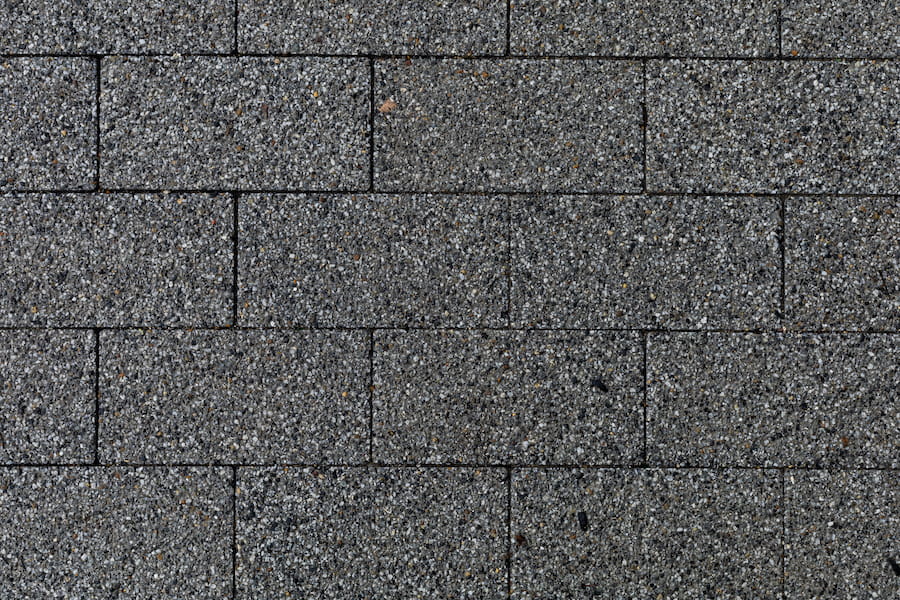
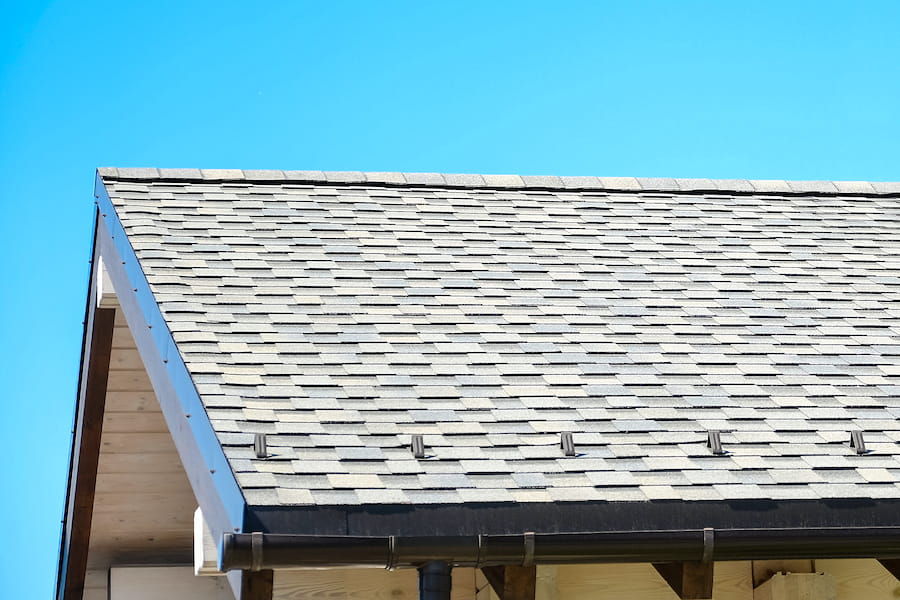
3-tab shingles are a traditional type of asphalt roofing shingle. Each shingle strip contains cutouts that divide its exposed lower edge into three individual tabs. Once installed across a roof, those tabs create a flat, repeating pattern.
For decades, 3-tab shingles have been popular largely because of their straightforward design and relatively affordable price. They are generally thinner and lighter than architectural shingles and provide a clean, uniform appearance.
Benefits of 3-Tab Shingles
3-tab shingles may still make sense for homeowners whose priorities include:
- Keeping initial material costs down
- Achieving a simple, consistent roof appearance
- Matching an existing 3-tab roof during certain repairs
- Roofing a property where upfront budget is the primary concern
Their simplicity can be an advantage in the right situation. However, homeowners should consider more than initial price when comparing roofing materials, particularly if they expect to own the home for many years.
What Are Architectural Shingles?
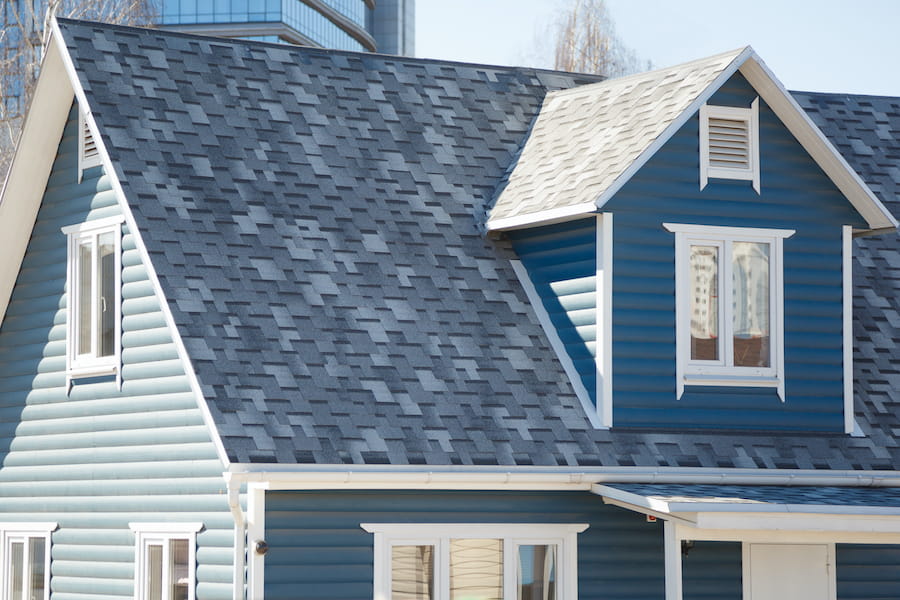
Architectural shingles, sometimes called dimensional or laminated shingles, are another type of asphalt roofing material. Unlike the consistently flat profile associated with traditional 3-tab shingles, architectural products are constructed to create variations in thickness, pattern, and shadow lines.
That dimensional appearance can give a roof greater visual depth. Depending on the particular product, architectural shingles can even provide an appearance inspired by more expensive materials such as wood shakes.
Their more substantial construction also helps explain why architectural shingles have become a common choice for homeowners who place a greater priority on durability, appearance, and long-term roofing performance.
Benefits of Architectural Shingles
Depending on the specific product, architectural shingles can offer:
- Greater visual dimension
- A wider range of styles and color blends
- More substantial construction
- Stronger performance options
- Longer-term value
- Enhanced curb appeal
The exact specifications still vary considerably by manufacturer and product line, so homeowners should compare actual ratings rather than assuming all architectural shingles perform the same.
Architectural Shingles vs. 3-Tab Shingles: Key Differences
Although both products are asphalt shingles, comparing architectural shingles vs. 3-tab shingles reveals several important differences.
Factor | 3-Tab Shingles | Architectural Shingles |
Design | Flat, uniform tabs | Dimensional, varied profile |
Construction | Generally lighter and simpler | Generally thicker and more substantial |
Appearance | Traditional and consistent | Textured and dimensional |
Upfront Cost | Usually lower | Usually higher |
Product Selection | More basic | Broader premium options |
Durability | Standard performance | Often greater durability |
Long-Term Value | Depends heavily on project goals | Often attractive for long-term ownership |
Appearance
The visual difference is usually the easiest to recognize.
Three-tab shingles create orderly, repeating horizontal rows. Some homeowners appreciate that clean and predictable appearance, particularly on traditional home designs.
Architectural shingles are designed to provide greater visual variation. Different shapes, shades, and shadow lines help break up the roof surface and give it more depth.
Because a roof occupies such a large portion of a home’s exterior, this difference can have a noticeable effect on curb appeal. Homeowners replacing an aging roof may therefore consider the shingle’s color and dimensional profile alongside its technical performance.
Durability
Construction is where the comparison becomes particularly important.
Architectural shingles are generally more substantial than traditional 3-tab shingles, which can contribute to stronger durability. However, shingle type alone does not determine how well a roof will handle severe weather.
Wind ratings should be evaluated for the specific product being installed. FEMA advises homeowners and building professionals to pay attention to tested wind-resistance classifications for asphalt shingles. The agency also notes that asphalt-shingle damage during high-wind events is often associated with either improper installation or poor shingle sealing.
In other words, choosing a stronger shingle matters—but installing it correctly matters just as much.
Lifespan
Architectural shingles are generally selected when longer-term performance is a priority, while 3-tab products have traditionally served as a more economical roofing option.
But there is no single guaranteed lifespan for either category.
How long an asphalt roof actually lasts depends on factors such as:
- The specific shingle product
- Installation quality
- Attic ventilation
- Roof slope and orientation
- Sun and weather exposure
- Moisture management
- Storm damage
- Maintenance
Manufacturer warranty length should not be confused with a guarantee of either roof lifespan or wind resistance. FEMA specifically notes that durability or warranty ratings and wind-resistance ratings are separate considerations.
That makes it important to compare the specifications and warranty of the actual product being proposed for your home.
Are Architectural Shingles More Expensive Than 3-Tab Shingles?
Typically, yes. Architectural shingles generally cost more than basic 3-tab shingles because of differences in their construction and product positioning.
However, shingle price alone does not tell you what a roof replacement will cost.
A professional roof replacement can also involve:
- Removal and disposal of existing roofing
- Roof decking repairs
- Underlayment
- Ice and water protection
- Flashing
- Starter shingles and ridge caps
- Ventilation
- Labor
- Roof size and pitch
- Valleys, dormers, chimneys, and other design complexities
This is why homeowners should look at total project cost and long-term value, not simply the difference in material price.
Paying more for a roofing material that better matches your performance goals may make sense if you plan to stay in the home long term. On the other hand, a lower-cost material may meet the needs of certain budget-sensitive projects.
Are 3-Tab Shingles Still a Good Choice?
Architectural shingles have become increasingly common, but that does not mean a 3-tab roof is automatically a bad roof.
Three-tab shingles can still be a practical option when:
- The project has a particularly tight budget
- A homeowner prefers a flat, traditional look
- A repair requires matching an existing 3-tab roof
- The particular product meets the property’s required performance standards
The important point is to make the decision based on the home’s needs rather than price alone.
If you’re replacing an entire roof and expect to remain in your home for years, it is worth comparing whether the additional durability, design options, and other benefits of architectural shingles justify their higher initial cost.
Are Architectural Shingles Worth It?
For many homeowners, architectural shingles can offer a strong balance between appearance, performance, and price.
They are particularly appealing when you value:
- A more dimensional roof design
- Long-term ownership
- Stronger product options
- Weather resistance
- Curb appeal
- A roofing material designed for substantial residential applications
But upgrading the shingle without paying attention to the rest of the roof would be a mistake.
A roof is a system, and the shingles are only its most visible layer.
Architectural Shingles vs. 3-Tab Shingles for Ohio Homes
The architectural shingles vs. 3-tab shingles decision takes on added importance for Ohio homeowners because roofs here can experience demanding conditions throughout the year.
Northeast Ohio, in particular, can see substantial winter snowfall. National Weather Service 1991–2020 climate normals show 63.8 inches of annual snowfall for Cleveland, including normal monthly totals of 18.4 inches in January and 15.1 inches in February.
Winter is not the only concern. Ohio can also experience thunderstorms, hail, high winds, and heavy rainfall. During a documented May 21, 2022 severe-weather event, the National Weather Service recorded numerous wind and hail reports across northern Ohio, including damaging winds and hail reaching approximately 2 inches in diameter in parts of the region.
Those conditions make it important to consider more than whether a shingle looks good on a sample board.
Ohio homeowners should pay attention to:
- Manufacturer wind ratings
- Water protection
- Underlayment
- Roof-edge protection
- Proper flashing
- Ventilation
- Fastening methods
- Overall installation quality
For many homeowners, architectural shingles offer an attractive combination of durability, dimensional appearance, and long-term value. But the correct choice should still be based on the home’s design, budget, location, and the specifications of the exact roofing product.
Why Homeowners Trust Spartan StormShield
Choosing the right shingle is only part of a successful roofing project. The quality of the installation and the performance of the complete roofing system matter just as much.
Spartan StormShield serves homeowners throughout Northeast and Central Ohio, including Cleveland, Akron, Columbus, and surrounding communities. Since 2012, our team has helped homeowners protect their properties with roof inspections, repairs, replacements, and complete roofing systems designed for Ohio’s demanding weather.
Rather than focusing on shingles alone, we take a whole-roof approach that considers critical components such as:
- Roof decking
- Ice and water protection
- Underlayment
- Flashing
- Ventilation
- Proper fastening and installation
By combining quality materials with careful workmanship and straightforward recommendations, we help homeowners choose roofing solutions that support long-term protection, performance, and value.
Choose the Right Shingles With Confidence
When comparing architectural shingles vs. 3-tab shingles, the right choice depends on more than appearance or upfront price. Three-tab shingles offer simplicity and affordability, while architectural shingles generally provide greater dimension, stronger performance options, and added long-term value.
Whichever option you choose, the best results come from pairing the right material with a properly designed and professionally installed roofing system.
If your roof is aging, damaged, or ready for replacement, call Spartan StormShield at 330-772-7826 or contact us online to schedule a free consultation. Our team can evaluate your roof, explain your shingle options, and help you choose a roofing system built to protect your home for years to come.
FAQ: Architectural Shingles vs. 3-Tab
What is the biggest difference between architectural shingles and 3-tab shingles?
The biggest differences are construction and appearance. Three-tab shingles have a flatter, uniform profile, while architectural shingles create greater thickness, texture, and visual dimension. Architectural products also commonly provide more robust performance options.
Do architectural shingles last longer than 3-tab shingles?
Architectural shingles generally offer stronger long-term durability, but actual roof life depends on the specific product, installation, ventilation, weather exposure, maintenance, and condition of the overall roofing system.
Are architectural shingles better for high winds?
Many architectural products offer strong wind-resistance ratings, but shingle category alone does not determine wind performance. Check the manufacturer’s tested rating for the specific product. FEMA also stresses proper fastening and shingle sealing as important factors in reducing wind damage.
Can you replace 3-tab shingles with architectural shingles?
In many full roof replacement projects, homeowners can choose architectural shingles even if the old roof used 3-tab shingles. The existing roof should first be properly inspected so the contractor can evaluate decking, ventilation, flashing, and other components before the new roofing system is installed.
Which shingles are better for Ohio homes?
There is no universal answer, but architectural shingles are often attractive to Ohio homeowners who prioritize durability and weather performance. Because Ohio roofs experience snow, ice, rain, wind, hail, and large seasonal temperature changes, homeowners should compare actual product specifications and make installation quality a major part of the decision.