



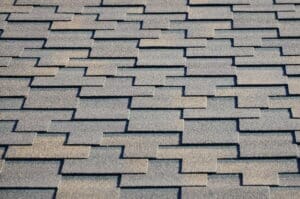
When homeowners think about roofing, they picture shingles, flashing, and any other exterior surfaces. But the real performance of your roof begins in a place most people rarely check—the attic. Your attic controls airflow, temperature, and moisture levels across your entire home. When attic ventilation fails, it silently damages your roof, increasing energy costs and creating long-term structural issues.
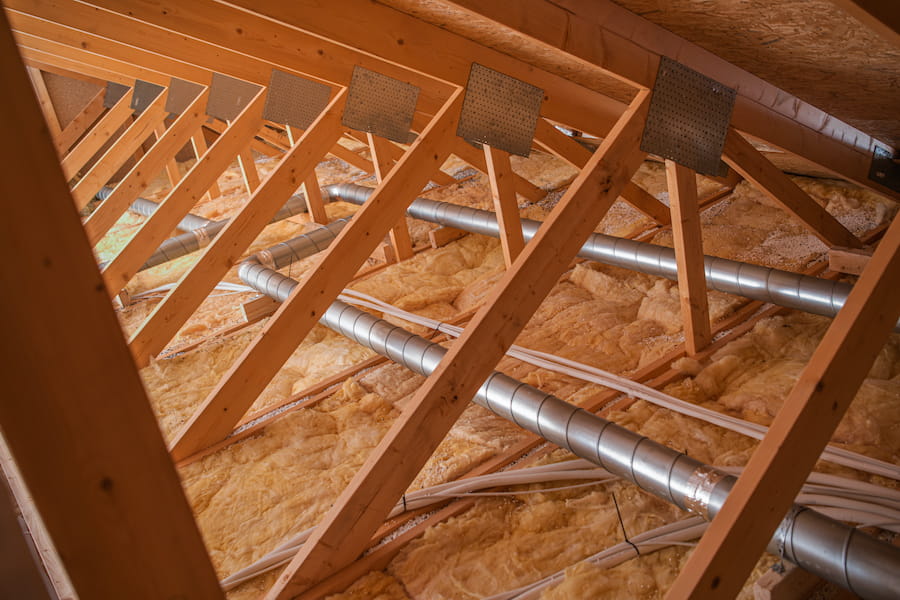
At Spartan Stormshield, we’ve seen how proper ventilation can extend roof lifespan by years—and how neglect can cut it short. In this guide, we’ll lay out key attic insights every homeowner should know, from basic maintenance to when it’s time to call in the professionals.
Take a proactive approach to maintaining your roof system. Call 330-772-7826 or contact us online to schedule a professional evaluation today with our professional inspectors and ensure your roof’s ventilation system is at optimal performance.
What Is Roof Ventilation?
Roof ventilation is a system designed to regulate airflow in your attic using two key components:
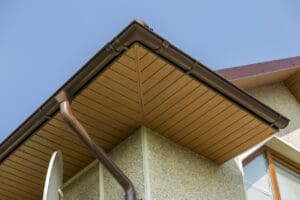
- Intake vents (usually soffits) that bring fresh air in
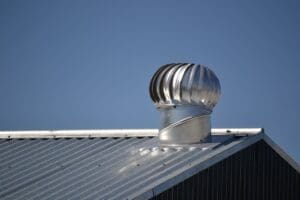
- Exhaust vents (ridge or roof vents) that push hot, stale air out
This continuous airflow prevents heat and moisture buildup—the two biggest threats to your roof.
Why is It Important?
Most homes rely on passive ventilation systems that use the natural tendency of hot air to rise, creating a continuous air exchange from bottom to top. When ventilation is working properly, your attic acts like the “lungs” of your home—breathing in cool air and releasing heat and humidity.
Without it, problems develop quickly:
- Mold and mildew growth
- Warped roof decking
- Premature shingle deterioration
- Rising energy bills
5 Critical Benefits of Proper Ventilation
1. Prevents Moisture Damage
Warm air from your home rises into the attic. Without proper ventilation, that air condenses—leading to:
- Mold growth
- Rotting wood structures
- Damaged insulation
Moisture is one of the most common causes of hidden roof damage, estimated by the Insurance Information Institute to make up around 29.4% of all home insurance claims.
2. Extends the Life of Your Roof
Heat and moisture accelerate roof deterioration. Without ventilation:
- Shingles age faster
- Roof decking weakens
- Repairs become more frequent
Proper ventilation helps maintain structural integrity and extends roof lifespan.
3. Improves Energy Efficiency
A poorly ventilated attic can exceed 150°F in summer, radiating heat into your home and overworking your HVAC system.
Proper ventilation:
- Reduces attic temperature
- Lowers cooling costs
- Improves indoor comfort
ENERGY STAR confirms that ventilation combined with insulation is key to an energy-efficient home.
4. Prevents Ice Dams and Winter Damage
In colder weather, trapped heat melts roof snow unevenly, causing ice dams that can:
- Force water under shingles
- Cause leaks and ceiling damage
- Damage gutters and fascia
Proper ventilation keeps roof temperatures consistent, preventing this cycle.
5. Protects Indoor Air Quality
Your attic directly affects the air inside your home.
Poor ventilation allows mold spores, excess humidity, and other atmospheric contaminants to circulate into living spaces, impacting your health and comfort.
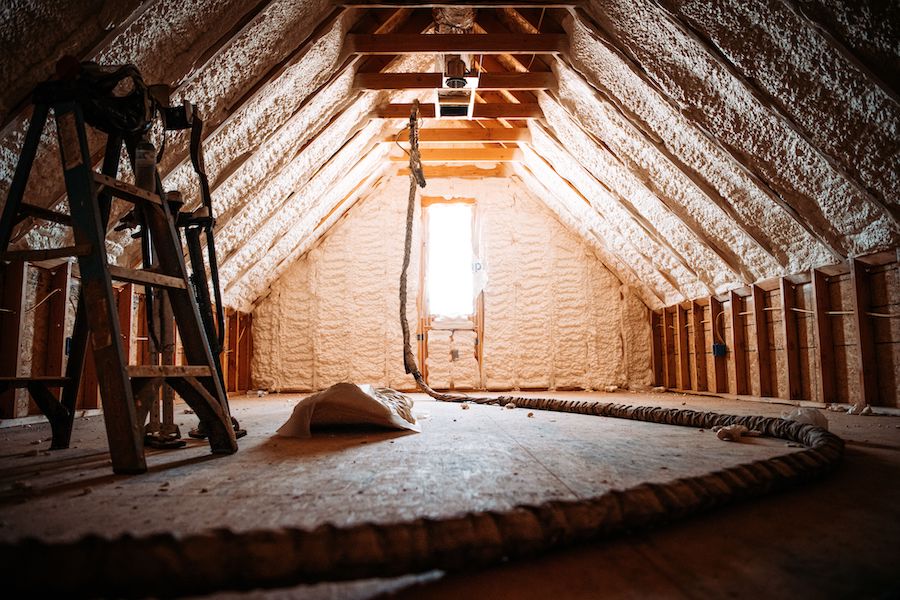
Types of Roof Ventilation Systems
Passive Ventilation
- Ridge vents
- Soffit vents
- Gable vents
These systems rely on natural airflow and are the most common solution.
Active Ventilation
- Powered attic fans
- Solar ventilation systems
These enhance airflow but must be carefully installed to avoid imbalance.
Which System Is Right for You?
Choosing the right roof ventilation system depends on several key factors—and getting it wrong can reduce performance or even cause damage.
- Roof design: Simple roofs work well with ridge and soffit vents, while complex layouts need customized airflow solutions.
- Climate conditions: Regions like Ohio require systems that handle both seasonal heat and cold, along with moisture control year-round.
- Attic layout: Insulation, air sealing, and attic size all affect how well air can circulate.
Because every home is different, professional guidance is essential. A roofing expert can calculate proper airflow, identify hidden issues, and design a system that actually works.
Signs Your Attic Ventilation Is Failing
Poor attic ventilation often goes unnoticed—until it starts causing real damage. Catching the warning signs early can save you from costly repairs.
Watch for these common indicators:
- Hot, stuffy attic – Excess heat buildup, especially in summer
- Mold or musty odors – A sign of trapped moisture and poor airflow
- Ice dams or icicles – Caused by uneven roof temperatures in winter
- Peeling paint or warped wood – Moisture damage affecting your home’s structure
- Rising energy bills – Your HVAC system working harder to compensate
These symptoms usually point to airflow imbalance, blocked vents, or inadequate ventilation design—all of which can shorten your roof’s lifespan if left unaddressed.
Common Roof Ventilation Mistakes Homeowners Make
Even small mistakes can lead to serious ventilation issues. Here are the most common problems:
- Blocked Soffit Vents
Insulation or debris blocks intake airflow, trapping heat and moisture. - Unbalanced Intake and Exhaust
Too much of one disrupts airflow, reducing system efficiency. - Improper Vent Placement
Poor positioning creates “dead zones” where air can’t circulate. - Mixing Vent Types Incorrectly
Combining systems (like ridge vents with fans) can cancel out airflow. - Ignoring Air Sealing
Gaps allow warm, moist air into the attic, increasing condensation risk.
Proper ventilation requires a balanced, well-designed system—this isn’t a DIY guesswork job.
Ventilation + Insulation: The System That Protects Your Home
Ventilation doesn’t work alone—it’s part of a complete system that includes insulation and air sealing.
For optimal performance, your attic needs:
- Proper insulation – Helps regulate temperature and reduce heat transfer
- Air sealing – Prevents warm, moist indoor air from entering the attic
When these elements work together, they:
- Prevent heat loss in winter and heat gain in summer
- Reduce moisture buildup and condensation
- Improve overall energy efficiency
A properly designed system protects your home year-round—enhancing comfort, lowering energy costs, and extending the life of your roof.
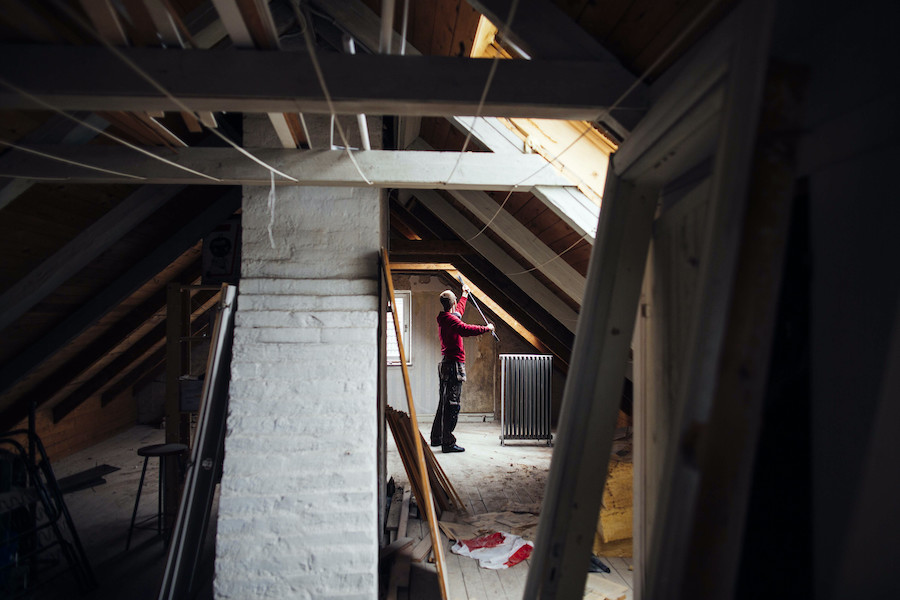
Why Spartan Stormshield Is the Trusted Choice
Since 2012, Spartan Stormshield has served homeowners across Northern and Central Ohio with a comprehensive, system-based approach to roofing. We don’t treat ventilation as an add-on—it’s a critical part of how your entire roof performs.
Our process includes:
- Detailed attic inspections to identify hidden airflow and moisture issues
- Code-compliant ventilation calculations for proper balance and performance
- Custom airflow system design tailored to your home’s structure and climate
- Seamless integration with roofing materials for long-term durability
With over a decade of experience, we focus on building complete roofing systems that protect your home from the inside out—not just fixing surface-level problems.
Don’t Wait—Protect Your Roof from the Inside Out
Your attic plays a critical role in your roof’s performance, impacting energy efficiency, durability, and lifespan. Ignoring ventilation issues can lead to costly damage—but addressing them early can save you thousands.
Get expert insight and a system designed to keep your home protected for years to come. Call 330-772-7826 or contact us online to schedule a professional inspection.
FAQ: Roof Ventilation
Q: What is roof ventilation and why is it important?
Roof ventilation allows air to flow in and out of your attic, regulating temperature and moisture. Proper ventilation prevents mold, reduces energy costs, and extends the lifespan of your roof.
Q: How do I know if my attic ventilation is poor?
Common signs include a hot attic, musty odors, ice dams in winter, peeling paint, and rising energy bills. These indicate trapped heat or moisture and should be addressed quickly.
Q: How much attic ventilation does my home need?
Most homes follow a 1:300 ventilation ratio (1 square foot of ventilation for every 300 square feet of attic space). However, the exact requirements depend on your roof design, insulation, and climate—making professional evaluation important.
Q: Can poor ventilation damage my roof?
Yes. Poor ventilation traps heat and moisture, which can lead to shingle deterioration, wood rot, mold growth, and reduced roof lifespan. Over time, this can result in costly repairs or premature replacement.
Q: What are the best types of roof vents?
The most effective systems typically combine soffit vents (intake) and ridge vents (exhaust) for balanced airflow. The best solution depends on your roof structure and attic layout.