



Your roof is more than shingles, underlayment, and flashing. The components around the edges of your roof also play an important role in protecting your home from moisture, pests, and weather. Fascia and soffit are two of those often-overlooked components. While they may seem like simple pieces of exterior trim, properly installed soffit and fascia help protect your roofline and contribute to proper attic ventilation. If you notice rotting wood, peeling paint, sagging areas, or damaged soffit vents, it may be time to have your roof’s exterior inspected.
At Spartan StormShield, we know that protecting your home goes beyond the shingles overhead. Serving homeowners throughout Northeast and Central Ohio, our team helps keep homes protected with reliable roofing, siding, and storm damage services. In this guide, we’ll take a closer look at fascia and soffit, what these often-overlooked parts of your home do, the signs they may be damaged, and why keeping them in good condition matters.
Not sure what’s causing damage around your roofline? Call 330-708-5562 or contact Spartan StormShield online to schedule an inspection. Our team can identify potential problems with your fascia, soffit, roofing, or gutters and help you determine the best way to address them.
What Are Fascia and Soffit?
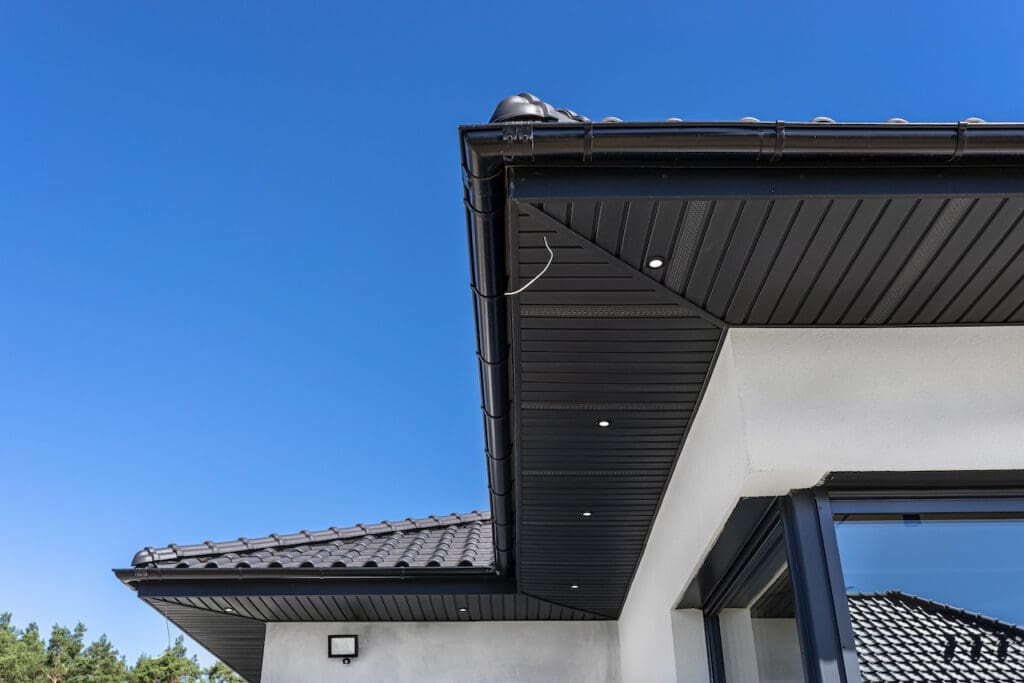
Fascia and soffit are located around the roof’s edges, but they serve different purposes.
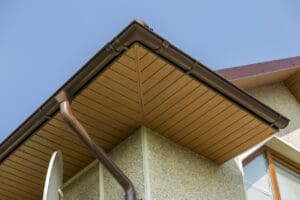
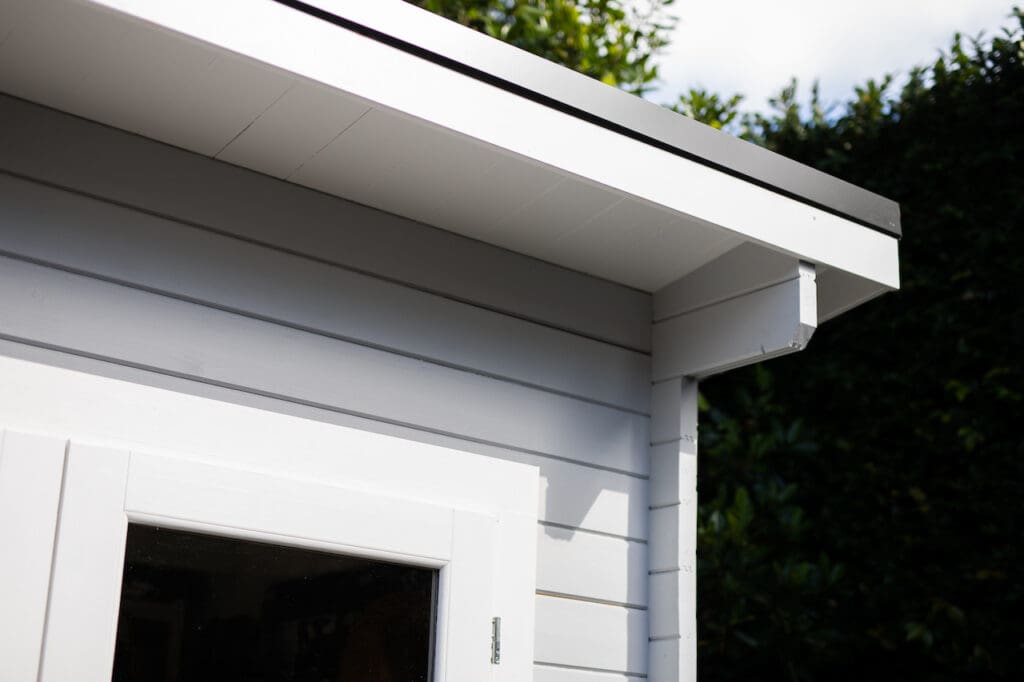
Fascia is the vertical board that runs along the lower edge of the roof. It is typically installed where the roof rafters or trusses meet the outer edge of the home. The fascia helps create a finished appearance while also providing an important attachment point for gutters.
Soffit is the material installed underneath the roof overhang. Look up at the underside of your roof’s eaves and you may see panels running between the exterior wall and the edge of the roof. These panels are the soffit.
Depending on the home, fascia and soffit can be made from materials such as wood, aluminum, vinyl, or composite products.
Together, these components help create a finished roofline and protect vulnerable areas of your home’s exterior.
Fascia Boards vs. Soffit
| Feature | Fascia | Soffit |
| Location | Along the vertical edge of the roof | Underneath the roof overhang |
| Main purpose | Protects the roof edge and supports gutter attachment | Protects the underside of the roof overhang |
| Ventilation | Generally not used for attic intake ventilation | Can contain soffit vents for attic airflow |
| Appearance | Creates a finished roofline | Creates a finished underside of the eaves |
| Common materials | Wood, aluminum, vinyl, composite | Wood, aluminum, vinyl, composite |
It is easy to confuse these two components, so here is a simple way to remember the difference:
- Fascia boards: Vertical boards along the roof edge.
- Soffit: Horizontal or angled material underneath the roof overhang.
- Roof fascia: Helps finish the roof edge and can support gutter systems.
- Soffit vents: Openings in the soffit that can allow air into a vented attic.
- Soffit and fascia: Work together to protect and finish the roofline.
Why Are Fascia and Soffit Important?
Although fascia and soffit are not usually the first things homeowners think about when maintaining a roof, they perform several important functions. Proper attic ventilation and moisture control are important considerations when evaluating the condition and performance of a home’s roof system.
1. Fascia and Soffit Help Protect Your Home From Moisture
Water is one of the biggest threats to exterior building materials. Rain can reach the roof edge, gutters, siding, and other vulnerable areas of the home.
Fascia boards help finish and protect the edge of the roof, while soffit helps close off the underside of the roof overhang. When these components are damaged, deteriorated, or improperly installed, moisture can find opportunities to enter areas where it does not belong. Proper attic ventilation and moisture control are important considerations when evaluating the condition and performance of a home’s roof system.
Water damage may eventually contribute to:
- Wood rot
- Mold or mildew
- Damaged insulation
- Deteriorated roof decking
- Damaged siding
- Pest problems
- Costly structural repairs
This is one reason it is important not to ignore deteriorating fascia or soffit simply because the problem is outside your main living area.
If you suspect moisture has already reached your roofing system, Spartan StormShield’s guide on how to fix a leaky roof offers additional information about warning signs and why prompt attention matters.
2. Soffit Helps Support Proper Attic Ventilation
One of the most important functions of soffit is its potential role in attic ventilation.
Many homes use soffit vents as intake openings near the lower edge of the roof. Air can enter through these openings and move through the attic toward exhaust vents located higher on the roof, such as a ridge vent.
Effective attic ventilation generally requires intake air entering low and exhaust air leaving higher in the attic. Soffit vents can provide that lower intake point.
Proper airflow can help manage heat and moisture in a vented attic.
It is important to understand that soffit ventilation is only one part of an attic ventilation system. Simply adding vents does not automatically solve every attic moisture or temperature problem. The entire roof assembly, insulation, air sealing, and ventilation strategy should be evaluated together.
3. Fascia Provides a Finished Roof Edge
Fascia boards give the roofline a clean, finished appearance. Without them, the ends of the roof structure may be exposed.
The fascia also provides a transition between the roof, soffit, gutters, and exterior walls. Because it sits directly along the roof edge, it is exposed to rain, snow, ice, wind, and other weather conditions throughout the year.
Over time, repeated moisture exposure can cause fascia boards to deteriorate, particularly when water is allowed to sit against or behind the material.
4. Fascia Helps Support Gutters
Fascia and gutters are closely connected.
Gutters are commonly attached along the fascia at the roof edge. When fascia boards become weak or rotten, they may no longer provide a reliable surface for gutter attachment.
That creates a situation where a relatively small fascia problem can contribute to a larger water-management problem.
Gutter problems can also contribute to water damage involving shingles, fascia, and other parts of the home.
Keeping gutters clear and addressing damaged fascia can therefore be an important part of maintaining the entire roof edge.
What Are the Different Types of Soffit?
Soffit is available in several materials and configurations. The best option depends on the home’s design, existing exterior materials, ventilation requirements, and maintenance goals.
Common soffit materials include:
- Vinyl soffit: Lightweight and generally low-maintenance.
- Aluminum soffit: Durable and resistant to many common exterior problems.
- Wood soffit: Can provide a traditional appearance but may require more maintenance.
- Fiber cement or composite products: May offer durability and a particular aesthetic depending on the product.
Soffit can also be vented, solid, or a combination of both.
Vented soffit contains openings that allow air to enter the attic when the roof system is designed for soffit intake ventilation. Solid soffit does not provide those ventilation openings.
The correct configuration should be based on the overall roof and attic design rather than appearance alone.

What Are the Signs of Damaged Fascia and Soffit?
Fascia and soffit problems are often easier to identify from the ground than homeowners realize.
| Fascia Damage | Soffit Damage |
| Peeling or bubbling paint | Cracked or broken panels |
| Soft or rotting wood | Sagging sections |
| Cracks or splits | Water stains |
| Dark discoloration | Missing sections |
| Sagging or loose gutters | Damaged soffit vents |
| Water stains | Pest openings |
During routine exterior maintenance, look around your roofline for changes in appearance or signs of deterioration.
Because gutters are often attached to fascia boards, loose gutters can sometimes indicate that the underlying fascia needs attention.
Damaged soffit vents deserve particular attention because blocked or improperly functioning intake openings can affect the performance of a vented attic..
What Causes Fascia and Soffit Damage?
Several issues can contribute to deterioration around the roof edge.
Water Exposure
Repeated exposure to rain, snow, and ice can gradually deteriorate exterior materials. Problems can become worse when water is not directed away from the roof properly.
Gutter Problems
Clogged, overflowing, or improperly functioning gutters can expose fascia to excessive moisture.
When gutters overflow repeatedly, water can run directly against the fascia and surrounding exterior materials.
Storm Damage
Strong winds, hail, falling branches, and other severe weather can damage soffit and fascia.
Even if the damage appears minor, it can create openings where water or pests can enter.
Age and Normal Wear
Exterior materials do not last forever. Paint can deteriorate, fasteners can loosen, and materials can become brittle or weakened with age.
Routine inspections can help identify these problems before they become more extensive.
Can Damaged Fascia and Soffit Cause Roof Problems?
Potentially, yes.
Fascia and soffit are part of the roof’s exterior system, so problems with them should not automatically be treated as isolated cosmetic issues.
For example, deteriorated fascia can affect gutter attachment and water management. Damaged soffit can expose areas beneath the roof overhang to pests and moisture. Blocked soffit vents can also interfere with intended attic airflow in a vented roof system.
The important question is not simply whether the fascia or soffit looks damaged. A professional should determine why it was damaged and whether the surrounding roof system has also been affected.
This is especially important when there are signs of water intrusion.
Fascia and Soffit Repair vs. Replacement
Not every damaged section requires complete replacement.
Depending on the condition, a professional may recommend repairing an isolated section or replacing larger portions of the affected material.
| Situation | Potential Solution |
| Small, isolated area of damage | Fascia or soffit repair |
| Several damaged sections | Partial replacement |
| Extensive rot or deterioration | Fascia and soffit replacement |
| Damage caused by overflowing gutters | Gutter repair + fascia repair |
| Storm-related damage | Professional storm damage inspection |
| Damaged soffit vents | Soffit/vent repair or replacement |
If damage is extensive or recurring, fascia and soffit replacement may make more sense than repeated repairs.
It is also important to investigate the source of the problem. Replacing a damaged fascia board without addressing the water source could allow the same issue to happen again.
How Fascia and Soffit Work With Your Siding
Fascia and soffit are also important parts of your home’s exterior appearance.
They create transitions between the roofline and siding, helping the exterior look complete and coordinated. When replacing siding, homeowners may therefore need to consider the condition and appearance of their existing fascia and soffit as well.
A coordinated exterior can improve curb appeal while also giving homeowners an opportunity to address multiple areas of exterior wear at the same time.
How to Maintain Fascia and Soffit
You do not necessarily need to perform complicated maintenance to keep an eye on these components.
Instead, make fascia and soffit part of your regular exterior inspection routine.
A Simple Fascia and Soffit Maintenance Checklist
- Look along the roofline for sagging or loose sections.
- Check fascia for peeling paint, cracks, stains, or rot.
- Look underneath the eaves for damaged soffit panels.
- Make sure visible soffit vents are not covered with debris.
- Check gutters for sagging or separation.
- Keep gutters and downspouts clear.
- Look for signs of water running behind gutters.
- Check for visible pest openings.
- Inspect the roof after major storms.
- Schedule a professional inspection if you notice significant deterioration.
Avoid climbing onto the roof or attempting difficult repairs yourself. A professional can inspect the roof edge safely and determine whether the problem involves only the fascia or soffit or extends into the roofing system.

When Should You Call a Professional for Fascia and Soffit?
A professional inspection is especially worthwhile when you notice multiple signs of deterioration or when the cause of the damage is unclear.
Consider scheduling an inspection if you see:
- Rotting or soft fascia
- Sagging gutters
- Water stains around the roof edge
- Damaged or missing soffit
- Blocked or damaged soffit vents
- Visible storm damage
- Repeated gutter overflow
- Signs of pests entering the roofline
- Interior water stains
- A roof that is approaching the end of its expected service life
An inspection can help determine whether you need soffit repair, fascia repair, gutter work, roof repairs, or a more comprehensive roofing solution.
Protect Your Roof From the Edge Up
Fascia and soffit may not get as much attention as shingles, but they are important parts of your home’s exterior and roof system. Fascia boards help finish and protect the roof edge and can support gutters, while soffit helps protect the underside of the roof overhang and may provide essential intake ventilation.
Because damage around the roofline can be connected to gutters, ventilation, siding, or roofing problems, it is worth addressing issues before they have an opportunity to spread.
At Spartan StormShield, we help homeowners throughout Northeast and Central Ohio protect their homes with dependable roofing, siding, and exterior services. Call 330-708-5562 or contact Spartan StormShield online to schedule an inspection and find out how we can help keep your home’s roof and exterior in excellent condition.
Frequently Asked Questions About Fascia and Soffit
What is the difference between fascia and soffit?
Fascia is the vertical material along the edge of the roof, while soffit is installed underneath the roof overhang. Fascia helps finish the roof edge and often provides a surface for gutter attachment. Soffit can also contain vents that provide intake airflow for a vented attic.
Are soffit vents necessary?
Soffit vents can be an important part of a vented attic ventilation system. Their effectiveness depends on the overall roof design, including the location of exhaust vents and whether the airflow path is unobstructed. The Department of Energy recommends maintaining an appropriate air pathway between soffit intake vents and upper roof exhaust points.
How do I know if my fascia is rotting?
Soft spots, discoloration, peeling paint, cracking, visible deterioration, and gutters pulling away from the fascia can indicate a problem. However, some moisture damage may be hidden, so a professional inspection is recommended if you suspect rot.
Can I replace fascia without replacing my roof?
Sometimes. If the damage is limited to the fascia, a contractor may be able to replace the affected sections without replacing the entire roof. However, the contractor should first determine what caused the damage and inspect the surrounding roof components.
How often should fascia and soffit be inspected?
It is a good idea to visually inspect your roofline at least a couple of times each year and after significant storms. A professional roof inspection can provide a more thorough evaluation, particularly when you notice signs of moisture, deterioration, or storm damage.
Does soffit help with attic ventilation?
Yes, when the roof is designed to use soffit intake ventilation. Soffit vents can allow outside air to enter near the lower edge of the roof and move toward higher exhaust vents. Proper airflow requires an unobstructed path through the attic.