



At Spartan StormShield, we know that choosing a new roof is about more than just appearance and weather protection. Many Ohio homeowners today are also looking for ways to reduce energy consumption, minimize environmental impact, and invest in products that last for decades. Sustainable roofing is becoming an increasingly popular choice because it balances durability, efficiency, and long term value.
Not every roofing material offers the same environmental benefits. Some are made from recycled materials, while others reduce cooling costs by reflecting sunlight or can even be recycled at the end of their lifespan. The right option depends on your home’s style, climate, budget, and long term goals.
In this guide, we’ll compare the most common sustainable roofing materials, discuss their strengths and weaknesses, and help you determine which roofing system makes the most sense for your home.
What Is Sustainable Roofing?
Sustainable roofing refers to roofing materials and systems that reduce environmental impact throughout their lifecycle. This includes everything from manufacturing and installation to energy efficiency, durability, maintenance, and eventual recycling or disposal.
A sustainable roof typically offers several environmental advantages:
- Long service life that reduces replacement frequency
- Improved energy efficiency
- Recyclable or recycled materials
- Reduced landfill waste
- Lower maintenance requirements
- Better overall resource conservation
While no roofing material is completely impact free, many modern products significantly reduce waste and energy consumption compared to traditional roofing options.
Why Homeowners Are Choosing Sustainable Roofing
Eco friendly roofing is no longer just a trend. It has become a practical investment that offers benefits for both homeowners and the environment.
Some of the biggest advantages include:
- Lower heating and cooling costs through improved energy efficiency
- Longer lasting roofing materials
- Reduced environmental footprint
- Increased home value
- Better resistance to severe weather
- Potential eligibility for local energy incentives in some areas
Many sustainable roofing products also outperform traditional materials in durability, making them a smart financial investment over the life of the roof.
Comparing the Most Popular Sustainable Roofing Materials
Every roofing material has its own advantages. Understanding how they compare can help narrow your options.
Metal Roofing
Metal roofing is often considered one of the most sustainable roofing materials available.
Many metal roofs contain a significant percentage of recycled material and can be fully recycled when eventually replaced. Their reflective surfaces help reduce heat absorption, lowering cooling costs during warmer months.
Advantages
- Extremely long lifespan
- Highly recyclable
- Reflects solar heat
- Low maintenance
- Excellent weather resistance
- Lightweight compared to many roofing materials
Considerations
- Higher upfront investment
- Professional installation is essential
- Can be noisier during heavy rain without proper insulation
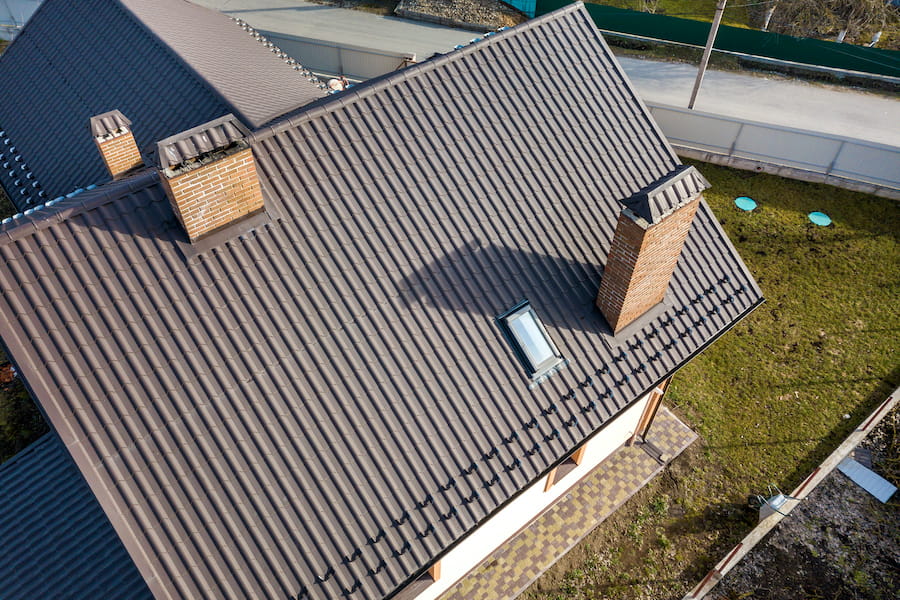
For homeowners planning to stay in their home for many years, metal roofing often provides excellent long term value.
Recycled Shingles
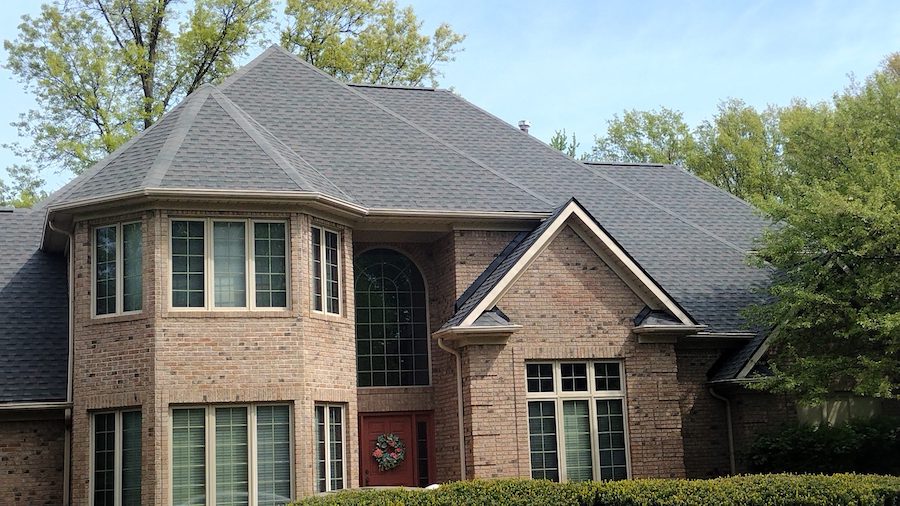
Recycled shingles are manufactured using reclaimed materials such as recycled rubber, plastics, or other industrial waste products.
Instead of sending these materials to landfills, manufacturers give them new life in durable roofing products.
Advantages
- Helps reduce landfill waste
- Durable against weather
- Often designed to resemble slate or wood
- Lower environmental impact than many traditional materials
Considerations
- Product quality varies by manufacturer
- Availability may differ by region
These shingles are a great option for homeowners looking for traditional aesthetics with improved sustainability.
Clay and Concrete Tile
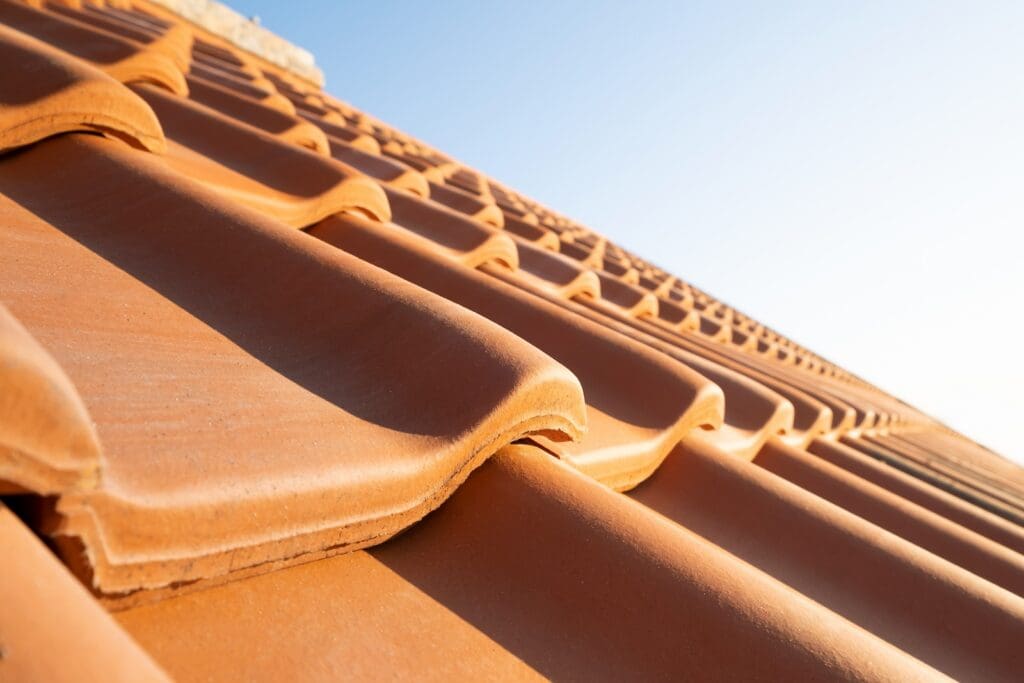
Clay and concrete tiles have been used for centuries because of their remarkable durability.
Their long lifespan means fewer replacements over time, making them a sustainable choice despite the energy required during manufacturing.
Benefits
- Extremely durable
- Long service life
- Excellent fire resistance
- Strong thermal performance
- Low maintenance
Drawbacks
- Heavy material requiring structural support
- Higher installation costs
- More difficult repairs if individual tiles crack
These roofs work particularly well in warmer climates where thermal performance is especially valuable.
Slate Roofing
Natural slate is one of the longest lasting roofing materials available.
Because it is a natural stone product, slate contains no synthetic materials and can remain functional for generations when properly installed.
Advantages
- Exceptional longevity
- Natural material
- Fire resistant
- Elegant appearance
- Minimal maintenance
Disadvantages
- Premium price
- Heavy weight
- Specialized installation required
Although expensive initially, slate’s extraordinary lifespan can offset replacement costs over many decades.
Wood Shingles and Shakes
When sourced from responsibly managed forests, wood roofing can be a renewable roofing option.
Wood naturally provides insulation while creating a distinctive appearance that many homeowners appreciate.
Benefits
- Renewable resource
- Natural insulation
- Attractive appearance
- Biodegradable
Limitations
- Requires regular maintenance
- Can be vulnerable to moisture if neglected
- Fire resistance depends on treatment and local building codes
Choosing responsibly harvested wood is important for maximizing sustainability.
Cool Roof Systems
Cool roofs are designed to reflect more sunlight and absorb less heat than conventional roofing materials.
Rather than being a specific roofing material, cool roof technology can be incorporated into several roofing products through reflective coatings or specially designed surfaces.
Benefits include:
- Lower attic temperatures
- Reduced cooling costs
- Increased indoor comfort
- Reduced urban heat buildup
- Less strain on HVAC systems
Cool roofs are particularly beneficial in regions with long, hot summers.
Green Roof Systems
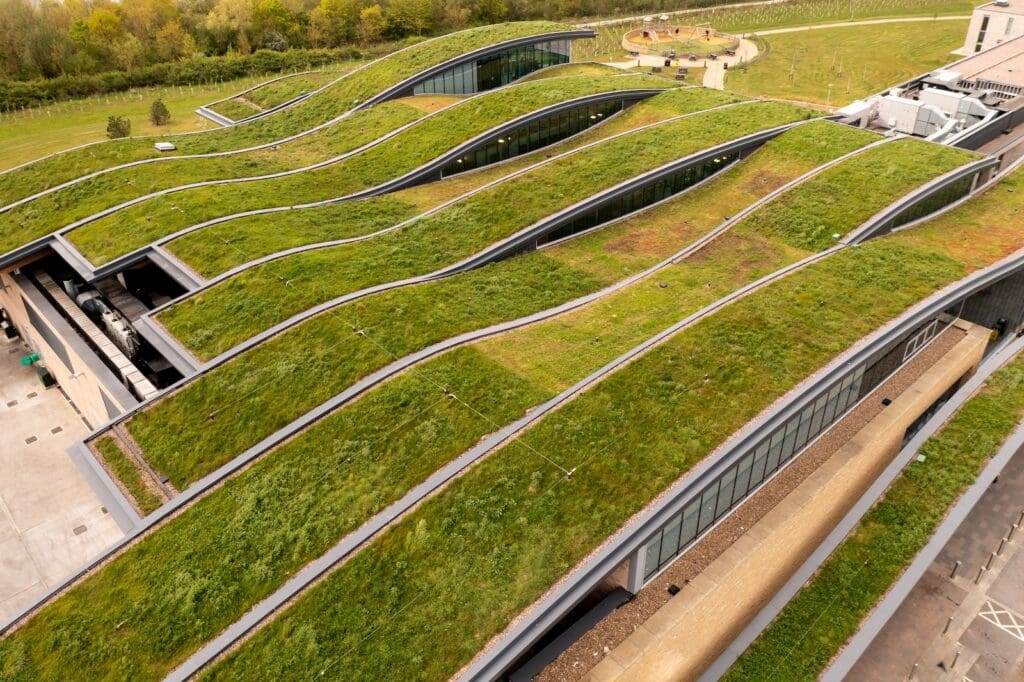
Green roofs feature layers of vegetation planted above waterproof roofing systems.
Although more common on commercial buildings, they are becoming increasingly popular on certain residential homes.
These living roofs help absorb rainwater, provide insulation, reduce surrounding temperatures, and create habitat for wildlife.
However, green roofs require:
- Specialized structural support
- Professional installation
- Ongoing maintenance
- Irrigation in some climates
Because of these requirements, green roofs are generally best suited for specific architectural designs rather than every home.
Solar Shingles: Sustainable Roofing That Generates Clean Energy
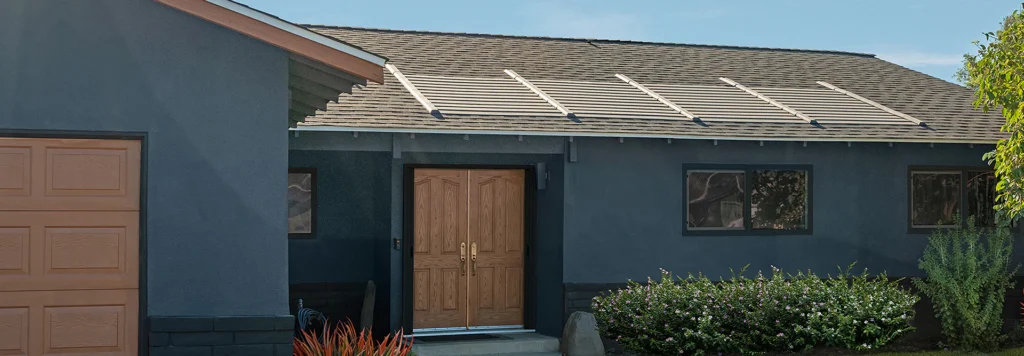
If you’re looking to take sustainable roofing a step further, solar shingles offer one of the most innovative solutions available today. Unlike traditional solar panels that are mounted on top of an existing roof, solar shingles are integrated directly into the roofing system. This means your roof protects your home while also generating clean, renewable electricity.
At Spartan StormShield, we install GAF Timberline Solar™ Shingles, the world’s first available solar shingle. Because they’re designed to install much like traditional asphalt shingles, they create a sleek, low profile appearance without the bulky racks associated with conventional solar panels. The result is a roof that blends seamlessly with your home’s architecture while helping reduce your reliance on the electrical grid.
Some of the biggest sustainability benefits of solar shingles include:
- Produce renewable energy directly from your roof
- Help lower monthly electricity costs
- Reduce your home’s carbon footprint
- Eliminate the need for separate rack mounted solar panels
- Preserve your home’s curb appeal with an integrated design
- Provide durable weather protection while generating power
Solar shingles are an excellent option for homeowners who already need a roof replacement and want to invest in long term energy savings. Since the roofing material and solar technology work together as one system, installation is more streamlined than replacing a roof first and adding traditional panels later.
If maximizing sustainability is your goal, solar shingles represent one of the most comprehensive roofing solutions available today by combining durable protection, modern design, and clean energy production into a single roofing system.
Sustainability Comparison at a Glance
| Roofing Material | Lifespan | Energy Efficiency | Recyclable | Maintenance |
| Metal Roofing | Excellent | Excellent | Yes | Low |
| Shingles | Very Good | Good | Varies | Low |
| Clay Tile | Excellent | Very Good | Yes | Low |
| Concrete Tile | Excellent | Good | Yes | Low |
| Slate | Outstanding | Good | Natural Material | Very Low |
| Wood Shingles | Good | Good | Biodegradable | Moderate |
| Green Roof | Excellent | Excellent | Natural System | High |
Factors to Consider Beyond Sustainability
Choosing the most sustainable roof isn’t only about environmental impact. Homeowners should also evaluate practical considerations that affect long term satisfaction.
Climate
Some roofing materials perform better in certain climates.
For example:
- Metal roofs excel in areas with heavy snow and severe weather.
- Cool roofs perform especially well in sunny climates.
- Clay tile thrives in hot, dry environments.
- Green roofs are best suited for structures specifically designed to support them.
Your local climate should play a major role in material selection.
Roof Lifespan
The longest lasting roof is often the most sustainable because it requires fewer replacements.
Replacing a roof less frequently means:
- Fewer raw materials consumed
- Less manufacturing
- Reduced transportation emissions
- Less construction waste
While some roofing materials cost more initially, their longevity can significantly improve overall sustainability.
Energy Efficiency
A roof’s ability to reduce heating and cooling demands directly impacts your home’s environmental footprint.
Energy efficient roofing can help:
- Lower monthly utility bills
- Improve indoor comfort
- Reduce HVAC wear
- Decrease household energy consumption
Reflective roofing materials and well insulated roofing systems often provide noticeable energy savings.
Recyclability
When a roof eventually reaches the end of its service life, recyclable materials help reduce landfill waste.
Metal roofing stands out because it can often be recycled completely into new products.
Some synthetic roofing materials are also recyclable, depending on manufacturer programs and local recycling facilities.
Is the Cheapest Roof the Most Sustainable?
Not necessarily.
While lower cost materials may reduce upfront expenses, they often require replacement much sooner than premium roofing options.
When evaluating sustainability, consider the full lifecycle of the roof rather than only the purchase price.
Long lasting roofing materials often:
- Require fewer replacements
- Generate less construction waste
- Reduce maintenance
- Lower lifetime ownership costs
- Deliver better energy performance
A higher initial investment may provide greater value over several decades.
Can Sustainable Roofing Increase Home Value?
Many buyers appreciate homes with energy efficient upgrades.
A sustainable roof can make a property more attractive by offering:
- Modern curb appeal
- Lower expected maintenance
- Potential energy savings
- Long lasting performance
- Durable weather protection
Although resale value depends on many factors, quality roofing improvements are generally viewed as valuable investments.
How to Choose the Right Sustainable Roofing Material
There is no single roofing material that’s perfect for every home.
When comparing options, ask yourself:
- What is my budget?
- How long do I plan to stay in my home?
- What weather conditions does my roof experience?
- Do I prioritize energy savings?
- Am I looking for the lowest maintenance option?
- Does my home’s structure support heavier materials?
Working with an experienced roofing contractor can help you balance these priorities and select the roofing system that best meets your goals.
Invest in a Roof That Protects Your Home and the Environment
Sustainable roofing is about making smart, long term decisions. Whether you’re interested in recyclable materials, improved energy efficiency, or exceptional durability, today’s roofing products provide more environmentally conscious choices than ever before.
Metal roofing, recycled shingles, slate, clay tile, cool roof systems, and other sustainable options each offer unique benefits. The best choice depends on your home’s design, your local climate, your budget, and how long you plan to own your property.
At Spartan StormShield, we’re committed to helping homeowners choose roofing solutions that deliver lasting protection, outstanding performance, and long term value. If you’re considering a roof replacement and want expert guidance on sustainable roofing options, contact Spartan StormShield online or call 330-708-5562 today for a professional inspection and discover which roofing material is the right fit for your home.
FAQ: Sustainable Roofing
1. What is the most sustainable roofing material?
Metal roofing is often considered one of the most sustainable options because it frequently contains recycled materials, is fully recyclable at the end of its lifespan, and offers excellent durability and energy efficiency.
2. Does sustainable roofing cost more?
Some sustainable roofing materials have higher upfront costs, but many provide long term savings through lower maintenance, improved energy efficiency, and longer service lives.
3. Which roofing material lasts the longest?
Slate, clay tile, concrete tile, and metal roofing are among the longest lasting roofing materials available when professionally installed and properly maintained.
4. Can sustainable roofing reduce energy bills?
Yes. Reflective roofing materials and cool roof systems can reduce heat absorption, helping lower cooling costs and improve indoor comfort during warmer months.
5. How do I know which sustainable roofing material is right for my home?
The best choice depends on your home’s structure, local climate, budget, aesthetic preferences, and long term plans. A professional roofing contractor can help evaluate your options and recommend the best solution.