



Your roof plays a critical role in protecting your home, yet it is often one of the most misunderstood components of a property. Misinformation surrounding roofing can lead homeowners to make costly decisions, especially in regions like Northeast Ohio, where unpredictable lake effect weather extremes place significant stress on roofing systems.
At Spartan Storm Shield, we have worked extensively with homeowners throughout Cleveland, Akron, and the surrounding communities. One consistent challenge we encounter is the prevalence of roofing myths that can result in preventable damage and unnecessary expenses.
Below, we address and debunk five of the most common roofing myths, providing clarity so you can make informed decisions about your home.
Myth #1: If Your Roof Isn’t Leaking, It’s in Good Condition
A common assumption among homeowners is that the absence of visible leaks indicates a healthy roof. While this may seem logical, it is often misleading.
The Reality
Roof damage frequently begins in ways that are not immediately visible. Issues such as compromised flashing, lifted shingles, or minor hail damage may not result in immediate leaks but can gradually worsen over time.
In Northeast Ohio, this process is accelerated by freeze-thaw cycles, which we have an average of 110 a year. Moisture can infiltrate small openings, freeze, and expand which causes progressive structural deterioration. By the time a leak becomes visible inside the home, the underlying damage is often extensive.
Recommended Approach
- Schedule professional roof inspections on an annual basis
- Arrange inspections following severe weather events
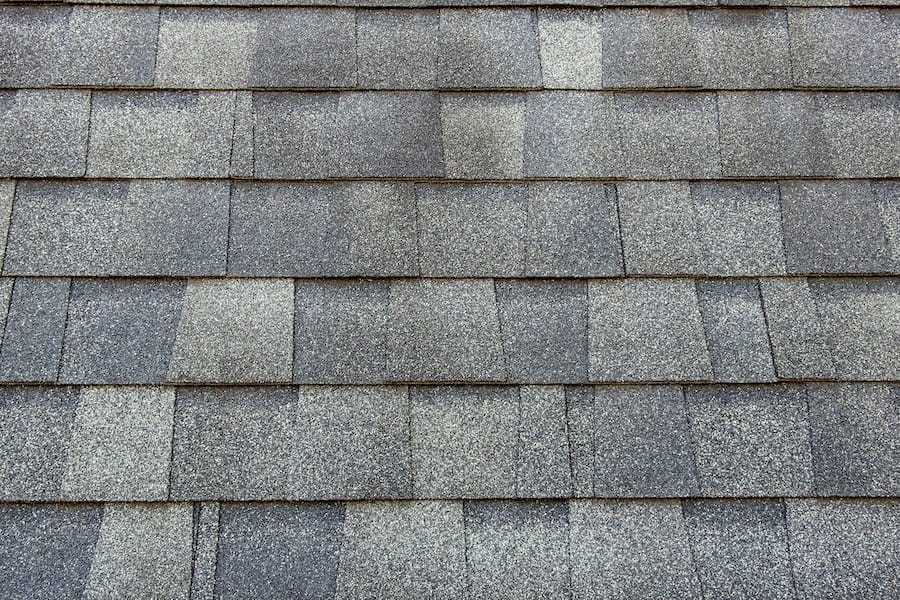
- Monitor for early warning signs such as granule loss, curling shingles, or discoloration
A proactive inspection strategy helps identify issues early, reducing the likelihood of costly repairs.
Myth #2: All Roofing Materials Perform the Same
Another misconception is that roofing materials are largely interchangeable, with little difference in performance or longevity.
The Reality
Roofing systems vary significantly in terms of durability, weather resistance, and overall performance. Beyond the visible materials, factors such as underlayment, ventilation, and flashing are equally important in determining a roof’s effectiveness.
For example:
- Asphalt shingles differ in impact resistance and lifespan
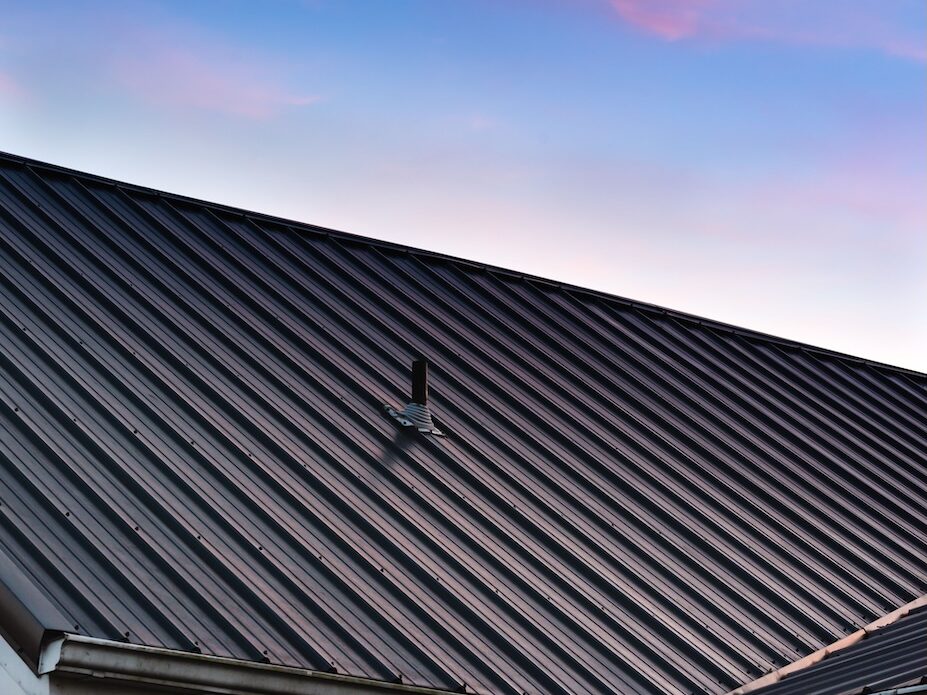
- Metal roofing offers enhanced durability but comes with a higher price tag
- Ventilation systems directly impact moisture control and energy efficiency
Given Northeast Ohio’s exposure to heavy snow, high winds, and seasonal storms, selecting the appropriate roofing system is essential.
At Spartan Storm Shield, roofing solutions are designed as complete systems rather than isolated components, ensuring long-term reliability in demanding conditions.
Recommended Approach
- Evaluate the full roofing system, not just surface materials
- Work with contractors who understand regional climate challenges
- Review warranty coverage and installation standards carefully
A well-designed system provides significantly greater protection than materials alone.
Myth #3: Roof Replacement Is Only Necessary Due to Age
Many homeowners believe that roof replacement is solely determined by age, typically expecting a lifespan of 20–25 years before action is required.
The Reality
While age is an important factor, it is not the only determinant of roof condition. In Northeast Ohio, environmental factors such as hail, wind, and falling debris can compromise a roof well before it reaches the end of its expected lifespan.
Storm-related damage is particularly significant. In many cases, homeowners may be eligible for insurance-covered repairs or replacement following severe weather events, even if the roof is relatively new.
Recommended Approach
- Schedule inspections after significant weather events
- Watch for signs of storm damage, including dents, missing shingles, or debris impact
- Avoid relying solely on the age of the roof as an indicator of condition
A timely assessment can prevent further deterioration and may uncover coverage opportunities.
Myth #4: Roofing Repairs Are Suitable for DIY Projects
With the availability of online resources, some homeowners consider undertaking roofing repairs themselves.
The Reality
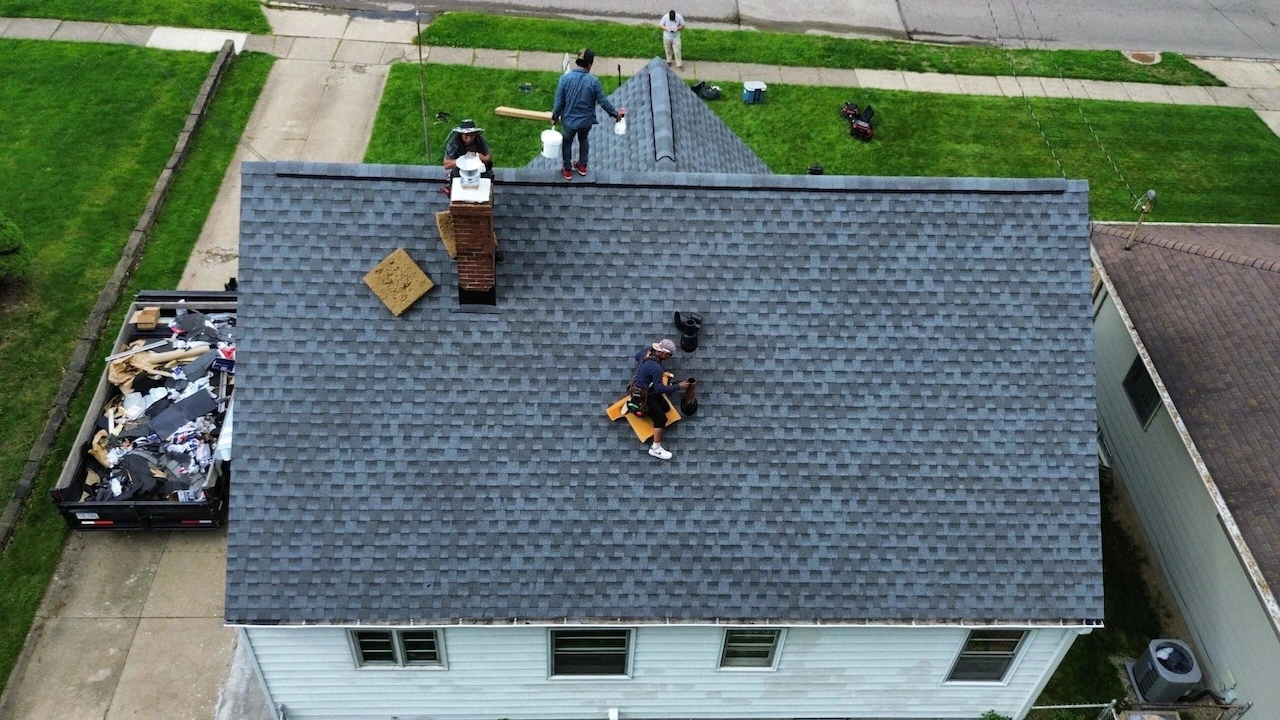
Roofing is a highly specialized field that requires technical expertise and strict adherence to safety standards. Proper installation involves multiple components, including waterproofing systems, structural considerations, and compliance with local building codes.
Even minor errors can lead to significant consequences, such as water infiltration, mold growth, or structural damage. Additionally, Northeast Ohio’s climate, particularly icy conditions and steep rooflines, introduces considerable safety risks. According to the
Professional contractors bring the necessary training, equipment, and experience to ensure that repairs and installations are completed correctly.
Recommended Approach
- Hire licensed and experienced roofing professionals
- Avoid temporary or improvised repairs that may worsen underlying issues
- Prioritize long-term solutions over short-term cost savings
Professional workmanship helps ensure durability, safety, and code compliance.
Myth #5: A New Roof Requires No Maintenance
A newly installed roof is often assumed to be maintenance-free for many years.
The Reality
While a new roof provides improved performance and reliability, it still requires periodic maintenance to remain in optimal condition.
Factors such as debris accumulation, clogged gutters, and seasonal weather impacts can affect performance over time. In Northeast Ohio, ice dams are a common concern, often resulting from inadequate ventilation or insulation.
Routine maintenance helps preserve the integrity of the roofing system and extends its lifespan.
Recommended Approach
- Keep gutters clean and free of debris
- Schedule periodic inspections to assess condition
- Address minor issues promptly before they escalate
Consistent maintenance is a key component of long-term roof performance.
The Importance of Accurate Roofing Knowledge in Northeast Ohio
Homeowners in Northeast Ohio face a unique combination of environmental challenges, including:
- Heavy snowfall and ice accumulation
- Frequent freeze-thaw cycles
- Severe storms with wind and hail
- Significant temperature fluctuations throughout the year
These conditions make it particularly important to rely on accurate information when making roofing decisions.
Working with a trusted local provider such as Spartan Storm Shield ensures that your roofing system is designed to withstand these regional demands. With a strong focus on quality craftsmanship and customer service, their team delivers solutions tailored to the specific needs of Ohio homeowners.
Common Roofing Myths Debunked: Making Informed Decisions
Misconceptions about roofing can lead to delayed maintenance, improper repairs, and avoidable expenses. By understanding the realities behind these common myths, homeowners can take a more proactive and informed approach to roof care.
Key takeaways include:
- Visible leaks are not the only indicator of damage
- Roofing systems vary significantly in quality and performance
- Storm damage can necessitate replacement regardless of age
- Professional expertise is essential for safe and effective repairs
- Ongoing maintenance is necessary, even for new roofs
Schedule a Professional Inspection
If you have questions about your roof’s condition or would like a professional assessment, consider scheduling an inspection online with Spartan Storm Shield or call 330-708-5562 today!
Our team provides detailed evaluations, clear recommendations, and solutions designed specifically for Northeast Ohio homes. Taking a proactive approach today can help prevent more significant issues in the future.
FAQ: Top 5 Most Common Roofing Myths Debunked
Q: How often should I have my roof inspected in Northeast Ohio?
It is generally recommended to have your roof professionally inspected at least once per year. However, in Northeast Ohio—where homes are exposed to heavy snowfall, ice buildup, and severe storms—it is also advisable to schedule an inspection after any major weather event. Regular inspections help identify minor issues before they develop into more significant and costly problems.
Q: What are the most common signs of roof damage?
Some of the most common indicators of roof damage include missing or curling shingles, granule loss, water stains on ceilings or walls, and visible sagging. Additionally, debris accumulation and clogged gutters can signal underlying issues. Even if these signs appear minor, it is important to have them evaluated by a professional to prevent further deterioration.
Q: Can storm damage really require a full roof replacement?
Yes, storm damage can sometimes necessitate a full roof replacement, even if the roof is relatively new. Hail, high winds, and falling debris can compromise the structural integrity of roofing materials. In many cases, homeowners may be eligible for insurance coverage if the damage is properly documented. A professional inspection is essential to determine the extent of the damage and the appropriate course of action.
Q: Does a new roof increase home value?
A new roof can significantly enhance both the value and marketability of a home. It improves curb appeal, reassures potential buyers about the condition of the property, and can increase energy efficiency. Additionally, a professionally installed roofing system provides peace of mind by reducing the likelihood of immediate repairs or maintenance concerns.